
A plant that needed water every five days in July may still have damp soil after ten days in January. Shorter days and cooler rooms slow growth and water use. Indoor heating may dry the leaves, but the root zone can stay wet. Check the soil before reaching for the watering can; a summer schedule is a poor guide in winter.
Start with light, not fertilizer
For most houseplants, reduced daylight is the biggest seasonal change. A window that provided ample light in summer may offer only a few hours of weak winter sun. Move plants closer to a suitable window, leaving enough space to keep leaves off cold glass. Rotate pots occasionally so new growth does not lean permanently toward the light.
Light needs vary. Succulents and cacti generally need the brightest position available. Pothos and snake plants may tolerate dimmer spots, though they usually grow more slowly there. Low-light tolerance does not mean a plant can thrive in darkness. Elongated stems, wider gaps between leaves, smaller new leaves, or persistent leaning can point to insufficient light. If a shade-grown plant develops bleached or scorched patches after a move into direct sun, the change may have been too abrupt.
Wipe dust from smooth leaves with a damp cloth, supporting each leaf as you go. Check species-specific care before wetting delicate or fuzzy foliage. Clean window glass helps make the most of limited daylight. If natural light falls short, a grow light can help, but its position and operating time depend on both the light and the plant. Start with the manufacturer's guidance and adjust based on growth; a household room lamp is not necessarily a substitute.
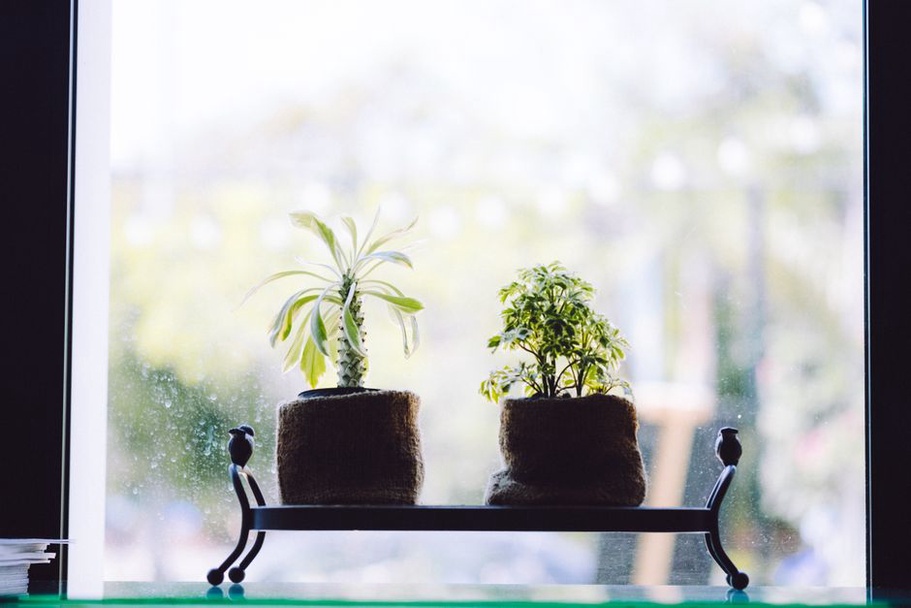
Water the root zone you have, not the calendar
Check moisture below the surface before watering. In a small pot, a finger a couple of centimeters into the mix may tell you enough. For a deeper container, try a wooden skewer or compare the pot's weight. Moisture-meter readings depend on the growing medium and where you place the probe. If a large pot dries unevenly, check more than one spot.
When a plant needs water, water thoroughly and let the excess drain through the holes. Then empty the saucer or outer pot. Standing water can keep roots saturated even while the surface looks dry. A pot without drainage gives excess water no reliable exit; a draining inner pot makes moisture easier to manage.
There is no single dryness rule for every plant. Many succulents should dry substantially between waterings; a peace lily often prefers a more consistently moist mix, without waterlogging. Recent repotting, pot size, root density, temperature, and light all affect the interval. A large volume of wet mix around a small root system can stay damp for a surprisingly long time.
Read symptoms alongside the soil
- Yellow leaves with persistently wet mix: Check drainage and roots before adding water. Lower leaves also age naturally, so look for a pattern rather than judging by one leaf.
- Wilting with dry mix: Water thoroughly and see whether the plant recovers. Very dry mix may resist wetting and need a slower, more even soak.
- Wilting with wet mix: Do not assume the plant is thirsty. Saturated roots may struggle to take up water; inspect the pot and root condition.
- Brown tips: Dry air, uneven watering, mineral buildup, or species sensitivity could be involved. Tips alone cannot tell you which.
A soft stem, an unpleasant smell from the mix, and dark, mushy roots rather than firm ones suggest serious deterioration. Remove damaged tissue with clean tools and repot into a suitable, freely draining mix. Recovery is less likely if much of the root or stem tissue has already been lost.
Keep temperatures steady and manage dry air
Winter placement takes some care: a window offers light, but cold drafts and hot air from heating vents can stress foliage. Keep pots away from frequently opened doors and direct airflow. A leaf touching cold glass can be damaged even when the room feels comfortable. If a window gets very cold overnight, move sensitive plants farther into the room after dark while keeping daytime light as consistent as possible.
Some tropical foliage plants develop crisp edges in very dry indoor air. A room humidifier raises humidity more reliably than occasional misting. Clean it as directed and avoid dampening walls or other surfaces. Grouped plants may have slightly more humid air around their leaves, but grouping cannot make up for severely dry air. A pebble tray has limited effect unless enough water evaporates, and the pot base must stay above the water.
Do not put every winter leaf drop down to low humidity. Ficus, for example, may shed leaves after a sudden change in light or location. Check temperature, soil moisture, and recent moves before changing several conditions at once; otherwise, it is hard to tell what helped.
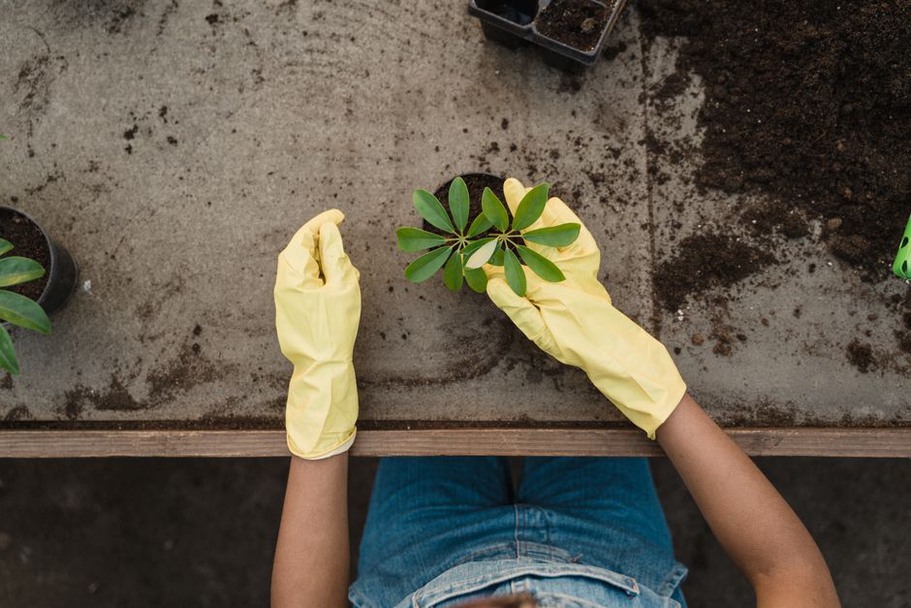
Pause routine feeding and choose repotting carefully
Many indoor plants use fewer nutrients when growth slows in winter. Routine fertilizer can leave unused salts in the mix, particularly when watering is reduced. If a plant has stopped producing new growth, pause feeding until growth resumes. One growing steadily under strong supplemental light may need different care; let its growth, species, and fertilizer label guide any reduced feeding.
Pale leaves do not automatically call for fertilizer. Check light and root health first. Excess water, cold, pests, and poor root function can all limit nutrient uptake. Fertilizer will not fix those problems and may put more stress on damaged roots.
Repotting is usually easier for a plant to recover from during active growth. Leave a stable plant alone through winter even if its pot looks small, provided water still moves through the mix and the roots are healthy. Repot sooner for a clear problem such as badly degraded mix, persistent waterlogging, or a container that cannot drain. Choose a pot only somewhat larger than the root mass: too much extra mix can stay wet for too long. The medium matters, too. An orchid, a cactus, and a moisture-loving foliage plant need different conditions around their roots.
Inspect for pests before damage spreads
Indoor pests can remain active in heated rooms. As you water, check leaf undersides, stem joints, and new growth. Fine webbing and pale stippling may indicate spider mites; cottony clusters can signal mealybugs; bumps attached to stems may be scale insects. Sticky residue is another clue. Look closely before treating: dust, mineral deposits, and harmless leaf markings can resemble pest damage.
Move an affected plant away from nearby pots while you inspect it. Remove visible pests where practical, and follow the label directions for any treatment suitable for that plant and pest. Check again later, since eggs or hidden insects may survive the first cleaning. Inspect new plants before placing them beside an established collection, even in winter.
Use a simple weekly check instead of a fixed routine
A short weekly inspection can catch changes without turning every observation into a task. Watering dates are useful notes for a large collection, but decide what to do from the plants and their conditions:
- Check the light at each plant's position. Look for leaning, stretched growth, or leaves touching cold glass.
- Test moisture below the surface; water only pots that need it according to the plants' needs.
- Look beneath leaves and around stem joints for pests or new damage.
- Remove dead leaves, but do not cut back healthy growth just because the season has changed.
- Check saucers and decorative outer pots for standing water.
New plants and cuttings need closer attention while their roots or growing conditions are changing. A cutting with few roots will not use water like an established plant in the same-sized pot. A plant moved from a bright shop to a dim room may also shed some foliage as it adjusts. Give it a stable position and assess new growth rather than reacting to every fallen leaf.
At the next watering, lift two similar-sized pots before checking the mix. The lighter one may be ready for water while the heavier one still holds moisture deeper down. That comparison becomes more useful once you have felt each pot just after watering and again when it is nearly ready for the next drink.