A flashlight without working batteries will be little help during a power cut. Test supplies before packing them, then put the kit where household members can reach it in the dark. It should cover several days without normal access to water, electricity, shops or other routine services, but still be manageable if you need to leave.
Start with the household, not a generic shopping list
Count everyone at home, including children and people who need help with mobility, communication or medical care. Include pets. Think about where you store the kit as well as what goes in it: a ground-floor cupboard could flood, while an earthquake could make a heavy cabinet hard to open. In a flood-prone home, keep supplies above likely water levels without putting them out of reach during an evacuation.
At least three days’ worth of supplies is a common starting point. Follow local emergency guidance if it calls for more, particularly where severe weather, damaged roads or utility failures could delay help. A kit helps you through a disruption; it does not replace evacuation orders or medical care.
Water and food
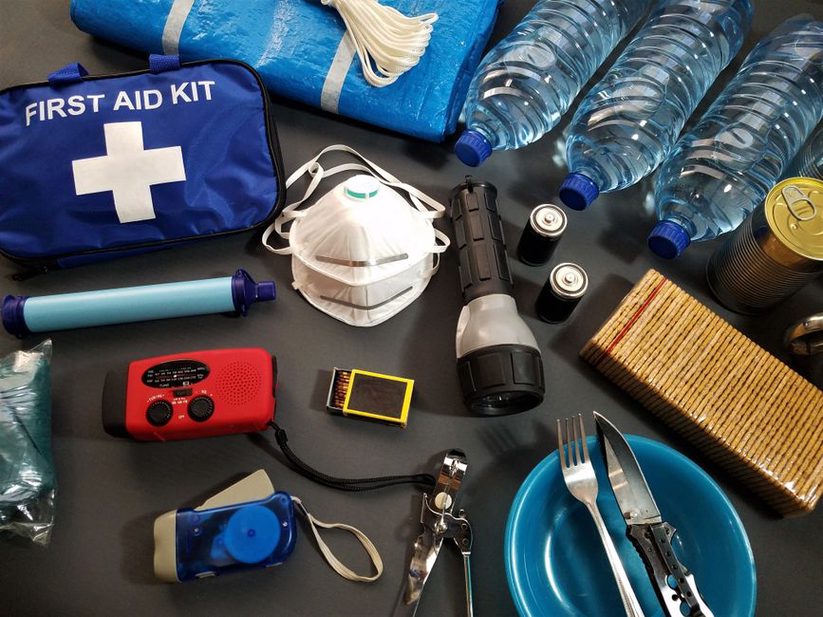
Store commercially sealed drinking water where possible. A commonly used allowance for drinking and basic sanitation is about one gallon, or roughly four litres, per person per day. Allow more for heat, illness, pregnancy or physical exertion, and set aside water for pets. Check container dates and storage instructions. If a water advisory or supply interruption is possible, do not count on the tap.
Choose shelf-stable food people will eat and can prepare without electricity: canned beans or fish, nut butter, crackers and ready-to-eat meals are options. Account for allergies, infants and medically required diets. Pack a manual opener if you include cans, and rotate food before its use-by date.
Light, information and power
- Flashlights or headlamps: provide an accessible light for each person who may need to move independently. Store spare batteries separately if the manufacturer recommends it.
- Battery-powered or hand-crank radio: use it for official updates if mobile networks or home internet fail. Check which broadcast alerts serve your area.
- Charged power bank and cables: pack cables that fit the devices your household uses now. Recharge the bank on a schedule and after use.
- Whistle: keep one for signalling if shouting is difficult.
Avoid relying on candles for light; an unattended flame adds fire risk. Never run a generator, grill or camping stove indoors, in a garage or near an opening where exhaust could enter. Carbon monoxide can be fatal.
First aid, medication and hygiene
Pack adhesive bandages, sterile dressings, tape, disposable gloves, antiseptic wipes and other first-aid items household members know how to use. Serious injuries still need professional treatment. Keep a printed, up-to-date list of medications and doses, allergies, medical conditions and emergency contacts, and protect that private information.
Ask a pharmacist or clinician how to plan for essential prescriptions, particularly medicines that require refrigeration or controlled dispensing. Do not keep temperature-sensitive medication in the kit contrary to its storage instructions. Add spare glasses, hearing-aid batteries or other daily-use essentials where feasible.
For sanitation, pack hand sanitizer, soap, toilet paper, menstrual products, diapers or incontinence supplies as needed, plus sturdy waste bags. Moist wipes can help conserve water, but they do not make contaminated water safe. If dust or poor air quality is a plausible concern, include masks suited to the hazard and the wearer.
Documents, cash and protective items
Keep waterproof copies of identification, insurance details, relevant medical information and household contact numbers. Paper copies help when devices have no charge, but store them securely. Some cash in small denominations may help if card payments are unavailable; choose an amount that suits the household without leaving valuables unnecessarily exposed.
If space allows, add sturdy shoes, work gloves and clothing suited to the season. A lightweight blanket or warm layer helps if heating fails. Include keys needed to leave the property and a simple local map in case routes change or phone navigation is unavailable. For pets, pack food, water, medication, a lead or carrier, and identification details.
Make the kit usable when conditions change
Choose storage and packaging deliberately
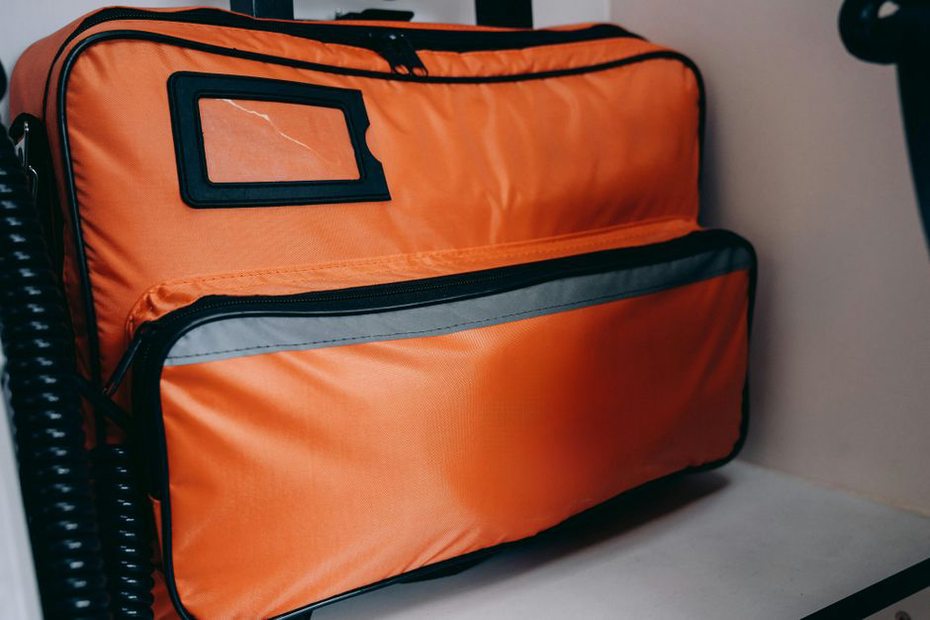
Use a durable container that closes securely. Put small items in labelled, water-resistant bags so you can find a dressing or charging cable quickly. If one kit would be too heavy to carry, divide it into manageable containers. Keep essential medication and documents ready to take promptly while respecting their security and storage requirements.
Check it on a fixed schedule
Twice a year, test the lights and radio, recharge power banks, inspect packaging, and replace expired food, water or first-aid materials. After household changes, review clothing sizes, diets, phone cables and contact numbers. Record the check date on a card inside the lid so it is clear when the kit was last inspected.
Show everyone old enough to use the kit where it is and how the light and radio work. Put a short inventory inside the container, with locations for easy-to-miss essentials. If someone uses a hearing aid, for instance, note exactly where the spare batteries are packed so no one has to search for them during a power cut.