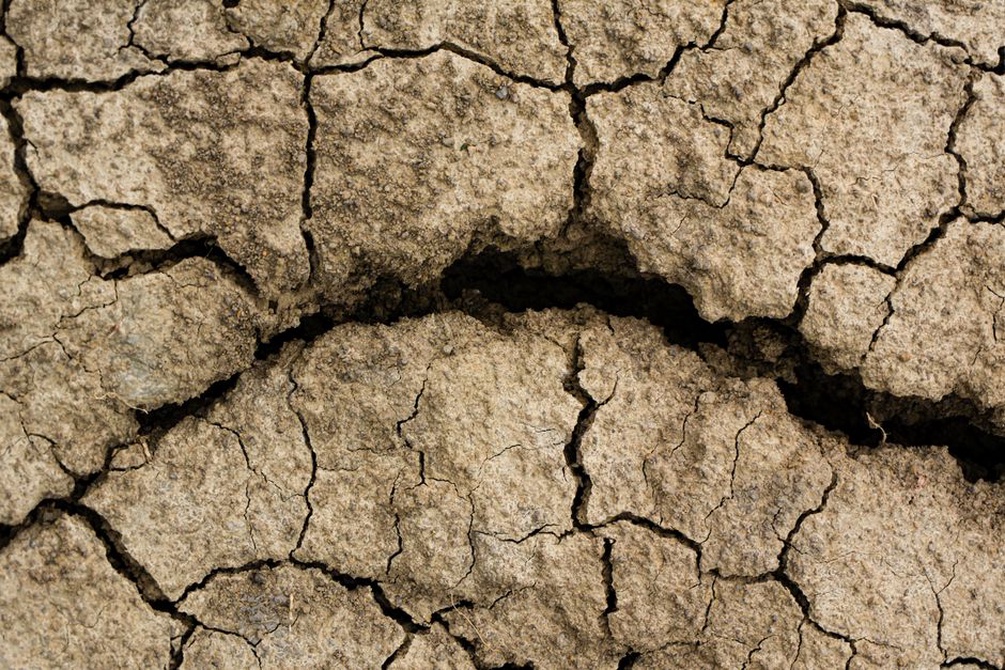
Transport infrastructure plays a vital role in our daily lives and economic systems, but it's increasingly under threat from climate change. Engineers, policymakers, and researchers are being called to action as extreme weather events, rising sea levels, and temperature fluctuations challenge the resilience of our transport networks.
Extreme Weather Events
The growing occurrence of severe weather, such as hurricanes, floods, and heatwaves, poses significant risks to transport infrastructure. These events can cause extensive damage to roads, bridges, and railways, leading to disruptions and financial losses. For example, floods may erode road foundations, while hurricanes can compromise bridge structures. To address these challenges, engineers need to integrate climate risk assessments into the design and upkeep of infrastructure.
Designing for Resilience
- Developing effective drainage systems to manage water overflow and prevent flooding.
- Strengthening bridges and tunnels to resist high winds and water pressure.
- Utilizing materials that withstand extreme temperatures and weather conditions.
For more detailed strategies on designing resilient transport infrastructure, consider exploring our article on Enhancing Urban Transport Resilience: Strategies and Innovations.
Rising Sea Levels
Coastal transport infrastructure faces increasing threats from rising sea levels, leading to erosion and flooding. This is particularly concerning for roads and railways in low-lying areas. Protective measures like sea walls and elevated roadways are crucial to protect these assets. In high-risk zones, it may also be necessary to plan for relocating or redesigning essential infrastructure.
Temperature Fluctuations
Extreme temperatures, whether hot or cold, can compromise the integrity of transport infrastructure. High temperatures may cause roads to soften and deform, while cold spells can lead to cracking and deterioration. Rail tracks are also vulnerable to thermal expansion and contraction, which can result in misalignments or failures.
Material Innovations
To address temperature-related challenges, engineers are investigating new materials and construction methods. For instance, using reflective or heat-resistant materials in pavements can help reduce heat absorption and minimize damage. The article Enhancing Pavement Longevity: Strategies for Effective Restoration provides insights into these innovative approaches.
Geotechnical Challenges
Climate change also affects the ground stability supporting transport infrastructure. Soil erosion, landslides, and subsidence, exacerbated by changing weather patterns, pose risks to the foundations of roads and railways. Monitoring and addressing these risks is vital to maintain the safety and reliability of transport networks.
For more on the importance of understanding these risks, refer to our detailed discussion on Understanding Seismic Risks for Transport Infrastructure.
Conclusion
The evolving climate continues to impact transport infrastructure, highlighting the need for resilient and adaptive designs. By focusing on innovative materials and techniques, engineers and planners can protect these critical networks. Addressing these challenges today will help secure the sustainability and functionality of transport infrastructure for future generations.