
A 40-minute dinner will not fit a Tuesday when you get home at 7 p.m. and need to leave again at 8. Before choosing recipes, check how much time you actually have each day. That matters when site visits, office days, and early shifts make your schedule change from week to week.
Map the week before choosing meals
Mark the days you will be away, the meals you expect to eat at home, and the times you could prepare food. Include travel and cleanup. An evening may look free on the calendar but feel less workable after an early start.
Give each day one of four labels: cook, reheat, assemble, or eat elsewhere. Leave uncertain days open rather than assigning them a dish that depends on finishing work at a particular time. If you share meals, note who can cook and whether everyone needs to eat together.
- Cook: You have time and energy for a meal with several steps.
- Reheat: A prepared portion can be ready with little attention.
- Assemble: You can combine ready-to-eat or quickly cooked components.
- Eat elsewhere: No dinner at home is needed; pack a meal only if you are likely to use it.
This check can stop you buying ingredients for seven dinners when you will eat only four at home.
Choose meals by effort, not by day name
Choose a few meals that fit those labels. On a cook day, you might make soup and bread. On an assembly day, cooked rice, vegetables, and a protein could become a grain bowl. Use the most perishable ingredients on days when you are confident you can cook; save frozen and shelf-stable ingredients for less predictable days.
Some repetition saves work without putting the same dinner on the table twice. Roast vegetables for one meal can fill a wrap the next day. Cooked beans can be a side dish, then go into a salad. Check that the first meal will leave enough for the second before you count on it.
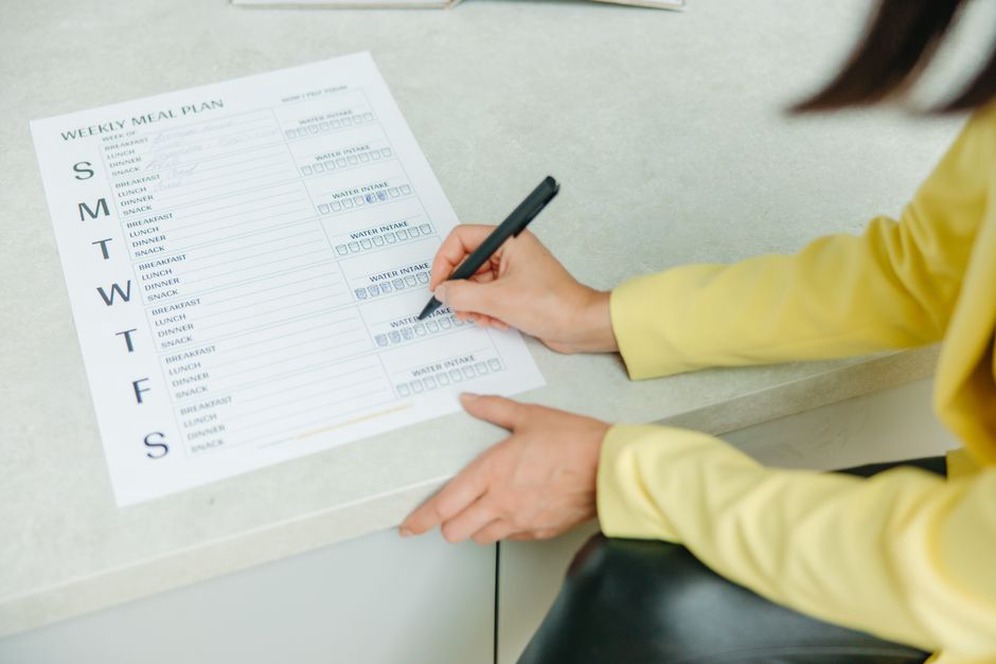
Use a meal framework when the schedule changes
A meal framework is easier to move around than a fixed recipe. Plan for a quick protein, a vegetable, and a starch instead of committing to a particular stir-fry on Thursday. If you get home late, eggs, frozen vegetables, and toast may do the job. The fresh ingredients can wait until Friday if they will still be suitable.
Keep one backup meal that needs neither fresh ingredients nor advance preparation, such as pasta with shelf-stable sauce and frozen peas. Choose something you would willingly eat, rather than an emergency purchase that sits untouched for months.
Make a shopping list from the plan
Check the refrigerator, freezer, and pantry before writing the list. Note each meal, how many portions you need, and what you already have. Count lunches made from dinner leftovers: two dinners and two lunches call for four servings, not two.
Group purchases by storage location—produce, refrigerated items, frozen food, and pantry staples. You may spot a problem before you shop: a large batch is little help if you have nowhere to refrigerate or freeze the extra portions.
Think through package sizes, too. If a recipe calls for half a bunch of herbs, decide where the rest will go. If an ingredient appears in just one meal and is likely to spoil, use a suitable substitution you already have when possible. You do not need to eliminate every leftover ingredient, but each purchase should have a purpose.
Prepare only what saves time later
Meal prep need not mean cooking everything in one session. Washing produce, cooking a grain, portioning ingredients, or moving food to the refrigerator to thaw safely may be enough. Choose tasks that still help if you swap the order of your meals.
Food safety limits how far ahead you can prepare. Refrigerate perishable food promptly, keep prepared portions in covered containers, and label them with the date. Follow storage guidance for each food, and freeze portions you will not use within their safe refrigerated storage period. Keep raw ingredients separate from ready-to-eat food while preparing and storing them.
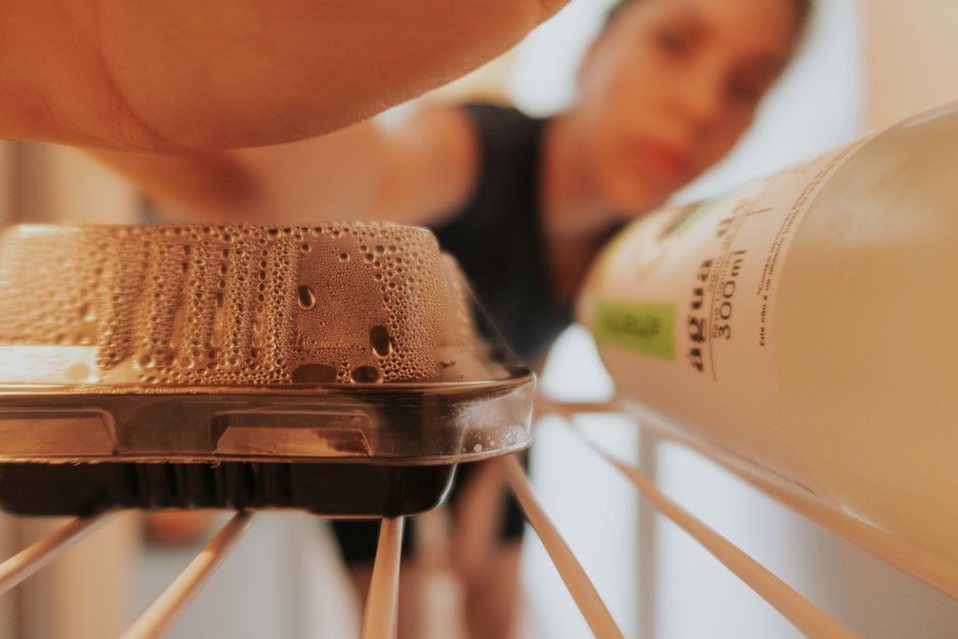
If your prep time is likely to be interrupted, pick a task with a clear stopping point. One batch of rice may be manageable when five complete dinners are not. Make only as much as your calendar calls for.
Plan for the meals between dinners
Breakfast and lunch bring different constraints. An early departure may rule out cooking breakfast, while a field day may leave you without a way to reheat lunch. Check what equipment and storage you will have where you eat. Perishable food in a packed lunch needs appropriate temperature control. If that is not available, choose a suitable shelf-stable option or plan to obtain a meal.
Keep two breakfast options: one you can eat quickly at home and one you can pack the night before. For lunch, identify the days when leftovers will work. Do not count on leftovers from a dinner you may have to postpone.
Review the plan without rebuilding it
At the end of the week, compare the plan with what happened. Note the differences that matter for the next shop: too many portions, a meal that took longer than expected, or a day that often changed at short notice. Keep the ordinary meals that worked; you do not need to make new decisions about them every week.
Before shopping again, see what you can use from meals that did not happen. If Friday’s spinach is still unopened, check its condition and put it in the earliest suitable meal rather than automatically buying another bag.