
The grocery receipt misses the lunch bought during a site visit, coffee at the station, delivery after a late shift, and food that spoils in the refrigerator. All of these affect what a household spends on food. Count every food purchase first; then decide which costs the budget should help control.
Establish a reliable starting figure
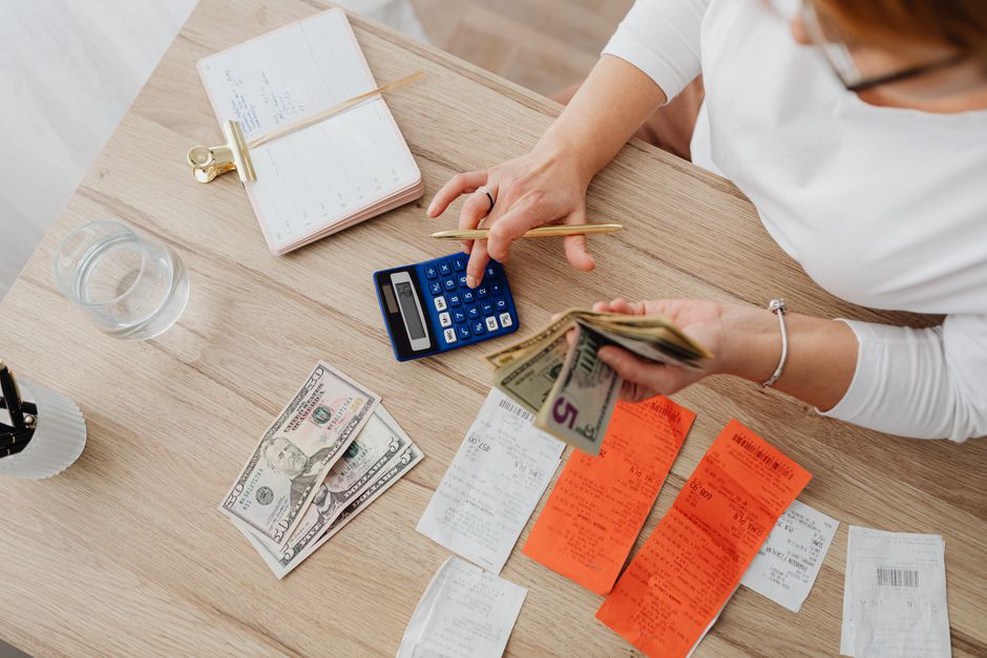
Review two or three months of bank transactions, receipts, and cash purchases. Record groceries, takeaway, restaurant visits, workplace meals, snacks, and drinks separately. Include household basics such as soap only if they come out of the same budget; otherwise, leave them out of the food total. What matters is using the same boundaries each month.
Calculate each month's total and note anything unusual: visitors, travel, illness, a stocked freezer, or a run of long shifts. A cheap month might reflect food bought earlier, not a spending level you can repeat. If your records are patchy, track purchases for four weeks before setting a tight limit. Actual purchases give you a better starting point than a target chosen because it sounds disciplined.
Set the amount within the household budget
Start with income after tax and unavoidable costs such as housing, utilities, debt payments, and essential transport. Allow for savings and irregular bills too. The balance is not automatically available for food; other flexible spending must come from it as well. If it will not cover adequate meals, revisit the wider budget rather than counting on skipped meals or an unrealistically low grocery target.
Household size, dietary needs, local prices, cooking facilities, and preparation time all affect the amount. Variable site hours may make portable meals or occasional prepared food necessary. Limited kitchen storage can make frequent shops more practical than large packages. No single percentage of income accounts for all of that.
Keep a working target distinct from the maximum available amount. The target guides everyday purchases; a visible reserve covers price changes or an unexpected shift pattern. It is not an invitation to spend the remainder. If the target keeps failing despite reasonable planning, raise it where possible and make an explicit reduction elsewhere.
Divide the monthly figure into useful categories
One monthly total will not tell you what changed. A simple breakdown could be:
- Groceries: ingredients and routine meals prepared at home.
- Meals away from home: workplace lunches, takeaway, and restaurant food.
- Convenience purchases: drinks and snacks bought during the day.
- Reserve: unexpected food needs and modest price variation.
Choose categories that point to decisions you can change. A dependable workplace canteen routine, for instance, may be more useful to track separately from social meals. When food and cleaning products share a receipt, count only the food when comparing food costs.
Convert the month into shopping periods
A month is longer than four weeks, so dividing the target by four can leave the final days short. For a weekly guide, divide by about 4.3. Alternatively, set an amount for each shop and leave money for the extra days. With a $600 monthly food limit, a household might allow $500 for five planned $100 shops and keep $100 for meals away from home and unplanned needs. That only works if those shops cover the usual meals.
You can also plan around paydays. If income arrives twice a month, assign half the food budget to each pay period and check the pantry before the second shop. The aim is to see what remains after an early large purchase, not to spend exactly the same amount each week.
Test the budget against actual meals
Sketch a typical week of breakfasts, lunches, dinners, and snacks, including meals away from home. Estimate quantities from what the household actually eats, then price the list at stores you can reasonably use. A figure that covers dinner ingredients but leaves out breakfasts or workday food is not ready to use.
Look for ingredients that work in several meals, without assuming every leftover will get eaten. Check the refrigerator, freezer, and pantry before shopping, and note which perishables need using soon. A larger package is not a saving if part of it spoils. Compare unit prices for products you will finish; when storage, transport, or waste is the constraint, compare the total cost instead.
Demanding weeks may cost more than quiet ones. A packed lunch can limit unplanned purchases, but it takes time to prepare and needs suitable storage. During long shifts, a shelf-stable backup meal or a planned allowance for purchased food may be more realistic than assuming every lunch will come from home. That is a budgeting decision, not a failure to plan.
Track exceptions and adjust without losing the signal
Record purchases soon after they happen in a notebook, spreadsheet, or banking app. Date, amount, category, and a short note for unusual spending are enough. Check the running total each week; by month-end, it can be hard to tell a recurring shortfall from a one-off expense.
If spending runs high, find the cause before cutting the next shop. Higher prices, extra people at meals, spoiled food, and purchases during shifts need different responses. Fewer restaurant meals may address one pattern; buying fewer fragile perishables may address another. A one-off celebration need not set the permanent grocery allowance, but recurring celebrations belong in the plan.
After two or three complete months, compare the target with actual spending in each category. Check whether meals were adequate and manageable as well as whether the numbers matched. If groceries come in below target while purchased lunches run over, move money between categories. If total spending exceeds the limit every month, change the limit or the routine.
Before the next shop, put the remaining monthly balance at the top of your list. Subtract meals you already expect to buy away from home, then set a ceiling for that shop from what is left.