
A new red cotton shirt can leave pale towels pink, even if both are machine washable. Before loading the washer, check the care labels, colors, fabrics and soil levels. Those details tell you more than a simple split between whites and darks.
Start with the care label
The label sets the limits for washing, drying, bleaching and ironing. Set aside hand-wash and dry-clean-only items before making machine-wash piles. For everything else, check the permitted water temperature and any instructions to use a gentle cycle or wash separately. A cold-wash garment does not belong in a hot towel load just because the colors match.
If an older item has no readable label, take the cautious route: use a cooler wash, avoid bleach and high dryer heat, and wash it apart if you are unsure about its dye or construction. Delicate trims, glued details and coated fabrics may need more care than the main fabric name suggests.
Sort by color, then by dye risk
Loose dye from a dark garment can mark lighter fabric. If you have enough laundry, make groups for whites and very pale items, medium colors, and darks. Keep cream, pale gray and pastels away from saturated reds, deep blues and black. A white shirt with dark panels is less straightforward: check its label and how it has behaved in previous washes.
Wash a new, strongly colored garment separately at first if its label says to or you do not know whether the dye will run. Similar colors are the next-best company for it. A damp cloth rubbed on an inconspicuous spot may show obvious color transfer, but a clean cloth cannot guarantee the dye will stay put in the washer.
Color is only one check. A dark wool sweater and dark work trousers may call for different wash cycles and drying methods. Once you have grouped colors, compare the care each fabric needs.
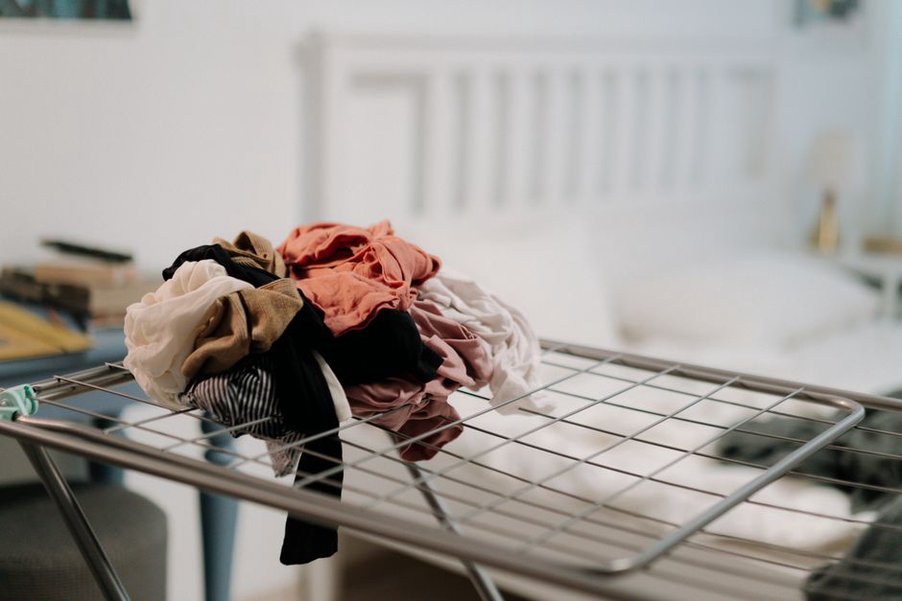
Separate fabrics that need different handling
Heavy items create more friction in the wash. Towels, sturdy jeans and workwear are usually better kept with similarly hard-wearing pieces than with thin shirts or delicate underwear. A mesh bag can protect fine hosiery or garments with hooks, but it cannot make an unsuitable water temperature safe.
Watch for lint, too. Towels and fleece shed fibers that can cling to smooth dark clothes and some synthetics. Separate lint shedders from items that visibly collect it, especially when appearance matters. Fasten zippers and hook-and-loop closures so they are less likely to snag other fabric. If the care instructions allow it, turn printed garments inside out.
Keep absorbent items with compatible items
Towels and bedding can often share a load when their labels, colors and soil levels agree. Leave enough room for bulky items to move through the wash. One heavy towel among lightweight garments may seem convenient, but the smaller pieces get extra abrasion. If the drum is tightly packed, split the load rather than trying to make up for it with a longer cycle.
Give heavily soiled clothing its own group
Keep clothes with substantial mud, grit or grease apart from lightly worn items. Loose grit can abrade fabric, and heavy stains may need pretreatment or a different cycle. Brush off dried mud where appropriate before loading, rather than letting it rub against other clothes in the hamper.
For ordinary stains, follow the garment label and stain-remover instructions. If you are unsure whether the color will hold, test the treatment on a hidden area. Check the stain after washing, before machine drying; heat can make some remaining stains harder to remove. Clothes contaminated with hazardous chemicals need procedures suited to the contaminant, not a household laundry load.
Build loads that can share one wash setting
A sorted load is more than a pile of matching colors. Every item must be suitable for the chosen temperature, cycle, detergent and drying plan. For a small mixed load, let the most restrictive label guide you: if one garment needs cold water and a gentle cycle, use those settings for the whole load or move that garment elsewhere.
- Whites and pale items: Group them by compatible care instructions. White fabric does not automatically tolerate bleach or hot water.
- Medium and dark colors: Keep new or dye-prone pieces with similar shades, particularly for their first few washes.
- Delicates: Separate items that need gentle agitation or special drying, even if their colors match sturdier clothes.
- Heavy or lint-producing items: Group compatible towels, denim and workwear, leaving room in the drum.
- Heavily soiled items: Set them aside to inspect, pretreat and wash on a suitable cycle.
These are working categories, not a reason to run five small loads. A lightly worn navy T-shirt and a dark cotton sweatshirt may wash together if their labels permit the same settings. White silk and white cotton towels should stay apart.
Use a quick sorting routine
- Empty pockets and remove anything that should not go in the washer.
- Set aside items marked hand wash, dry clean or wash separately.
- Look for stains, heavy soil, possible dye transfer and fragile details.
- Divide the remaining items into light, medium and dark colors.
- Within those groups, separate delicates, heavy fabrics and lint producers as needed.
- Choose settings that every item in each finished load can tolerate.
Separate hamper compartments can save time, but check the contents before washing. A stained shirt might have landed in the wrong section, or a newly bought garment might need its first wash apart from the usual load.
When there is not enough laundry for several loads
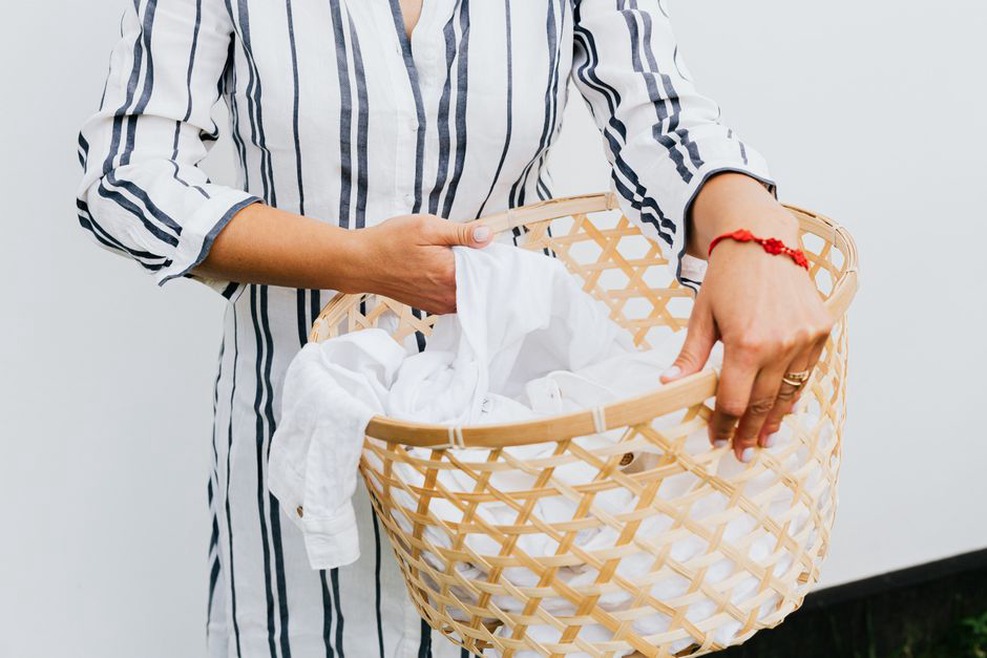
Small households may not collect a full load of every color or fabric type. Combine items only when their care requirements overlap. A cooler or gentler setting may protect mixed fabrics, but it may not clean heavy soil as well as a dedicated load. Sometimes it is better to wait for more compatible items than to wash a nearly empty drum or force mismatched garments together.
Before starting the washer, pull an item from the bottom of the pile and read its label. If its wash temperature, cycle or drying instructions conflict with your plan for the load, move it now.