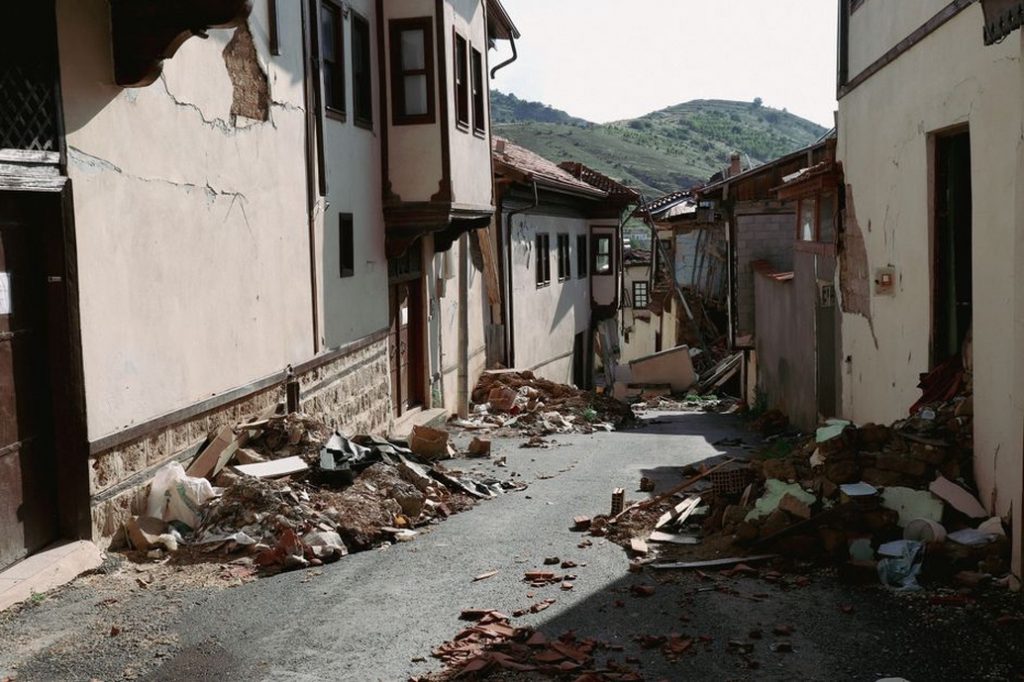
A pavement may survive strong shaking and still become impassable when liquefied ground settles beneath an approach ramp. A tougher surface can resist cracking, but it cannot prevent large ground movements. The choice of road materials therefore depends on how the ground is expected to deform and what level of access the route must provide after an earthquake.
Start with the movement the road must tolerate
Earthquakes affect roads through more than vibration. Soft ground can amplify shaking; saturated loose soil may lose strength; embankments can spread laterally; and faults can leave permanent offsets. At culverts, retaining structures and bridge approaches, adjacent components may move by different amounts. The damage might be a longitudinal crack, an abrupt step, loss of support or slope failure. Each demands a different material function.
Strength helps a layer carry traffic loads. Deformation capacity helps it remain serviceable when support moves. Increasing stiffness alone may move cracking to the edge of the treated zone. Even a ductile material cannot keep a road passable if permanent ground displacement exceeds the available transition length.
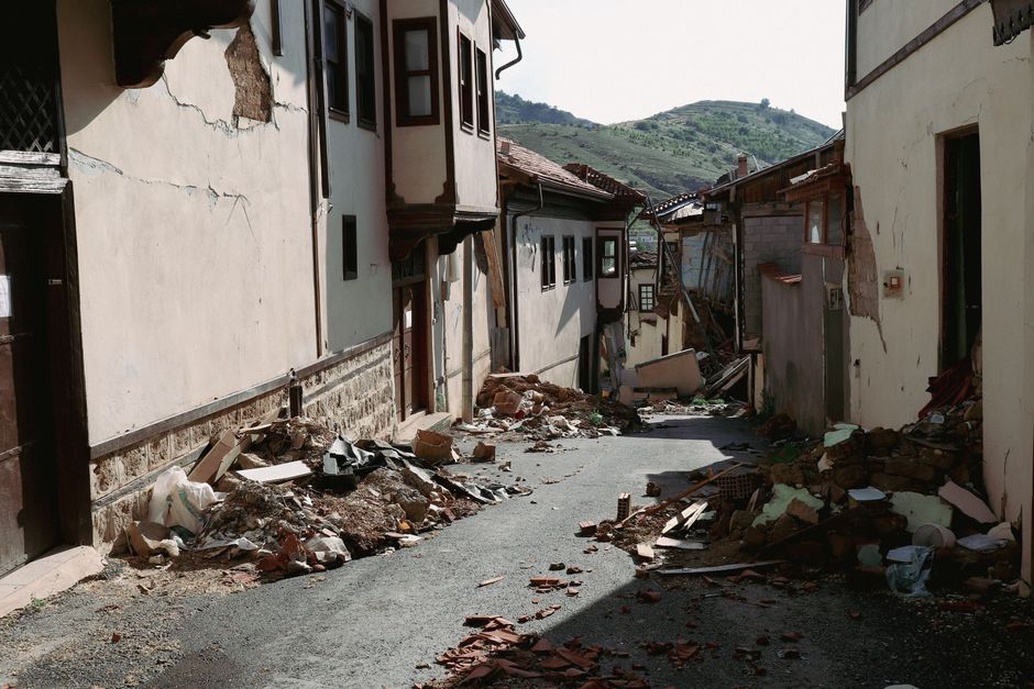
Materials matched to specific failure modes
Asphalt mixtures and binders
Polymer-modified binders can improve elastic recovery and cracking resistance under some loading and temperature conditions. Fibers and other additives may help control crack propagation or mixture stability. In an earthquake, their main value is in accommodating modest tensile strains and limiting damage from differential settlement—not bridging a major rupture. Aging, temperature and construction variability can alter performance, so binder properties alone are not enough. Mixture-level cracking, rutting and fatigue tests should reflect the aggregates and production process intended for the road. For more on the distinction between binder claims and mixture performance, see Asphalt Innovations: Test the Mix Beyond the Binder.
Reinforcement and separation layers
Geogrids can reinforce unbound layers and spread wheel loads where support is weak or variable. Geotextiles can prevent aggregate from mixing with soft subgrade; depending on their construction, they may also provide drainage or reinforcement. Selected interlayers within asphalt may slow reflective cracking. These functions are not interchangeable: a grid that confines aggregate should not be assumed to provide filtration, and an asphalt interlayer will not stabilize a deep-seated slide.
Performance depends on anchorage, placement, aggregate interlock and whether the material survives construction. Wrinkles, insufficient cover or compaction damage can undermine the intended function. Where lateral spreading is plausible, a geosynthetic layer must be evaluated within the embankment and foundation system, not treated as an isolated pavement upgrade.
Stabilized soils and engineered fills
Cementitious and other binders can strengthen selected soil layers and reduce deformation. Engineered granular fill can offer more predictable compaction and drainage than variable excavated material. But beside a rigid structure, a stiff stabilized block may concentrate settlement at its boundary with untreated ground. Drainage matters too: a laboratory specimen that retains its strength says little about a saturated field layer if water has no reliable exit path.
Ground improvement may reduce liquefaction susceptibility or limit deformation where conditions suit it. Its effectiveness depends on treatment depth, continuity and the surrounding untreated ground. Material selection must follow the geotechnical model, not stand in for one.
Concrete and repair materials at interfaces
Concrete pavement, precast panels and rapid-setting repair materials can help restore access, especially when reopening time is critical. Their performance depends on load transfer, support beneath slabs, joint behavior and the transition to adjacent flexible pavement. A high-strength repair over voided ground—or ground that continues to settle—can fail at its edges. Emergency repair planning must account for workable placement conditions and a credible reopening time, as well as ultimate strength.
Assess the system, not just the product
Material selection is easier to defend when the design team compares credible earthquake outcomes against explicit service objectives. A strategic route may need to carry limited-speed traffic soon after shaking; another road may tolerate a longer closure. That difference determines which damage is acceptable and where inspection and repair access must remain available.
- Locate likely deformation: map susceptible ground, embankment edges, crossings and changes in structural stiffness.
- Define the material function: specify whether a layer must limit cracking, retain aggregate, drain water, carry load or enable rapid replacement.
- Check compatibility: examine how the new layer meets untreated pavement, structures, utilities and drainage works.
- Test representative behavior: use relevant temperature, moisture, loading and aging conditions rather than relying on an additive label.
- Plan verification: identify construction checks and post-event observations that can show whether the intended mechanism is working.
Interfaces warrant close attention. Reinforced pavement over untreated culvert backfill, for example, may remain intact while a step forms beside it. If that step would close an essential route, evaluating the backfill, pavement and culvert together is more useful than ranking surface mixtures alone.
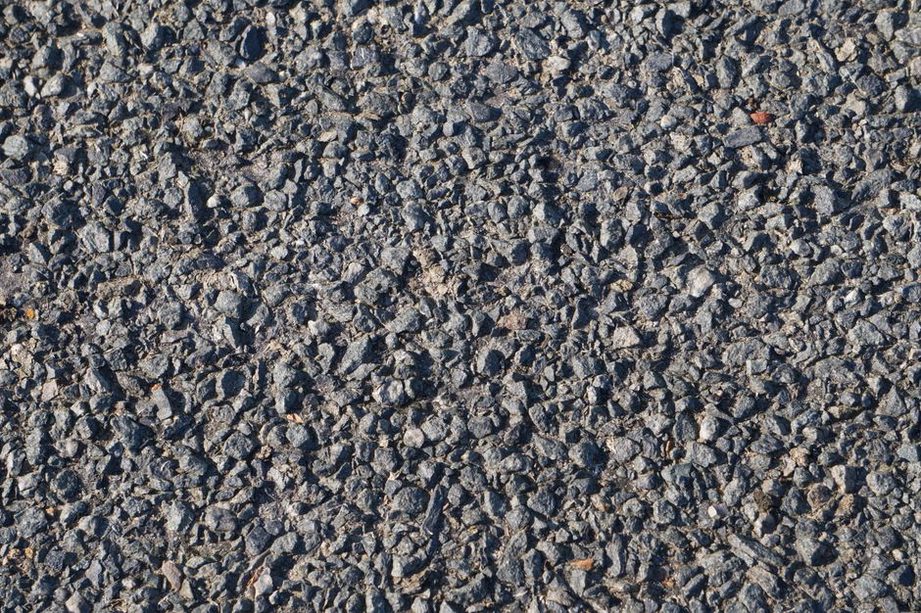
Evidence, construction and reopening
Laboratory tests can screen alternatives, but they rarely reproduce shaking, pore-pressure change, permanent settlement and traffic together. Full-scale trials, monitored installations and documented earthquake performance can add evidence. Comparisons must account for subgrade conditions and construction quality: roads with the same surface mixture may perform differently because their foundations move differently.
Quality control should focus on the properties behind the intended performance. For asphalt, that includes mixture uniformity, placement temperature and compaction. For geosynthetics, it includes product identification, overlap or connection details and damage during aggregate placement. For treated ground, continuity and achieved field properties matter as much as nominal binder content.
After an earthquake, an intact-looking surface is no proof of sound support. Before reopening, crews may need to check pavement elevations, cracks and joints, shoulder movement, drainage outlets and signs of voiding. At a bridge approach with a new step, measure the elevation change and inspect the backfill before placing a surface patch. Those checks help establish whether the defect is local or settlement is continuing.