
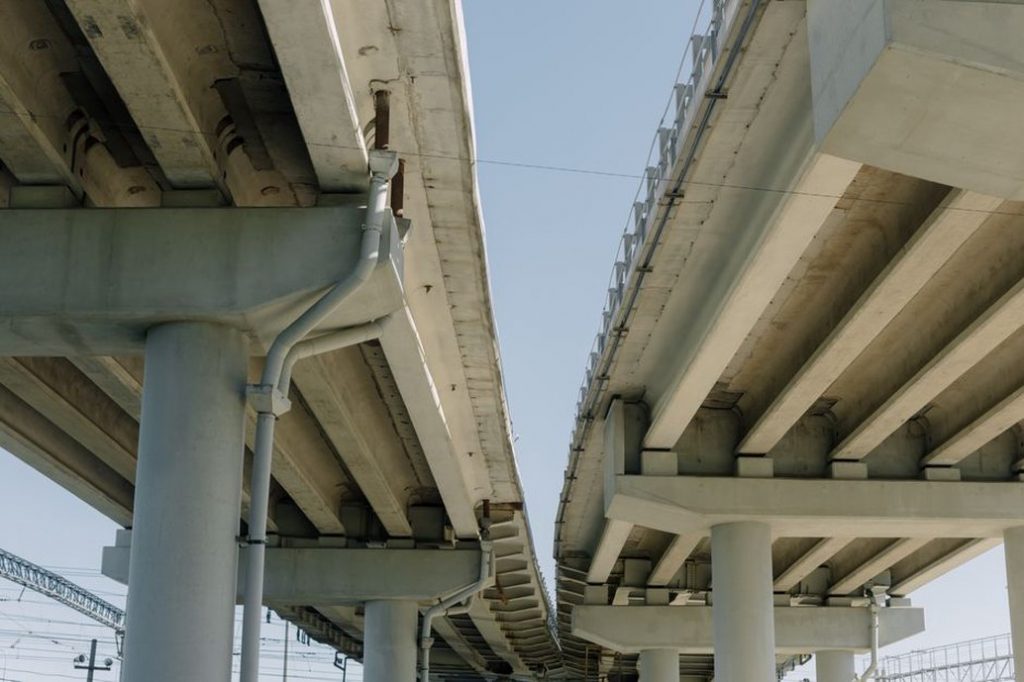
Bridge infrastructure plays a vital role in transportation systems across the globe. Keeping these structures safe and operational demands regular maintenance and monitoring. Thanks to technological advancements, we now have sophisticated tools to keep an eye on the structural health of bridges, allowing for real-time data collection and analysis. These modern methods offer improved safety and extend the lifespan of these essential structures.
New Technologies in Bridge Monitoring
Recent innovations in sensor technology have become crucial in the field of bridge monitoring. Smart sensors, including accelerometers, strain gauges, and temperature sensors, are now routinely used to gather data about structural integrity and environmental factors. These sensors are often part of wireless networks, facilitating real-time data transmission and analysis.
A noteworthy development is the introduction of fiber optic sensors. These sensors can accurately measure strain and temperature over long distances. Their resistance to electromagnetic interference makes them particularly suited for the challenging conditions often found in bridge environments.
Wireless Sensor Networks
Wireless sensor networks (WSNs) have changed the way data is gathered and processed in bridge monitoring. These networks comprise sensors spread out over an area that communicate wirelessly with a central system. This setup provides extensive coverage and eliminates the need for complex cabling. WSNs are favored for their flexibility, scalability, and cost-effectiveness, making them ideal for monitoring large and intricate bridge structures.

Data Analytics and Machine Learning
The use of data analytics and machine learning algorithms has further boosted the capabilities of bridge monitoring systems. By analyzing sensor data, these technologies can spot anomalies, predict potential failures, and suggest maintenance actions. Machine learning models can identify data patterns that might indicate structural weaknesses, allowing for proactive measures.
Predictive maintenance strategies are also being developed to prolong the life of bridges. These strategies use historical data and machine learning to anticipate maintenance needs, minimizing downtime and optimizing resource use.
Drone Technology in Bridge Inspection
Drones equipped with high-resolution cameras and sensors are increasingly utilized for bridge inspections. They offer a safe and efficient way to capture detailed images and data from hard-to-reach areas. Drones can quickly assess damage, corrosion, or other structural issues, complementing traditional inspection methods.
The use of drones speeds up inspections and enhances safety while reducing costs related to manual inspections, scaffolding, and traffic disruptions.
Challenges and Future Directions
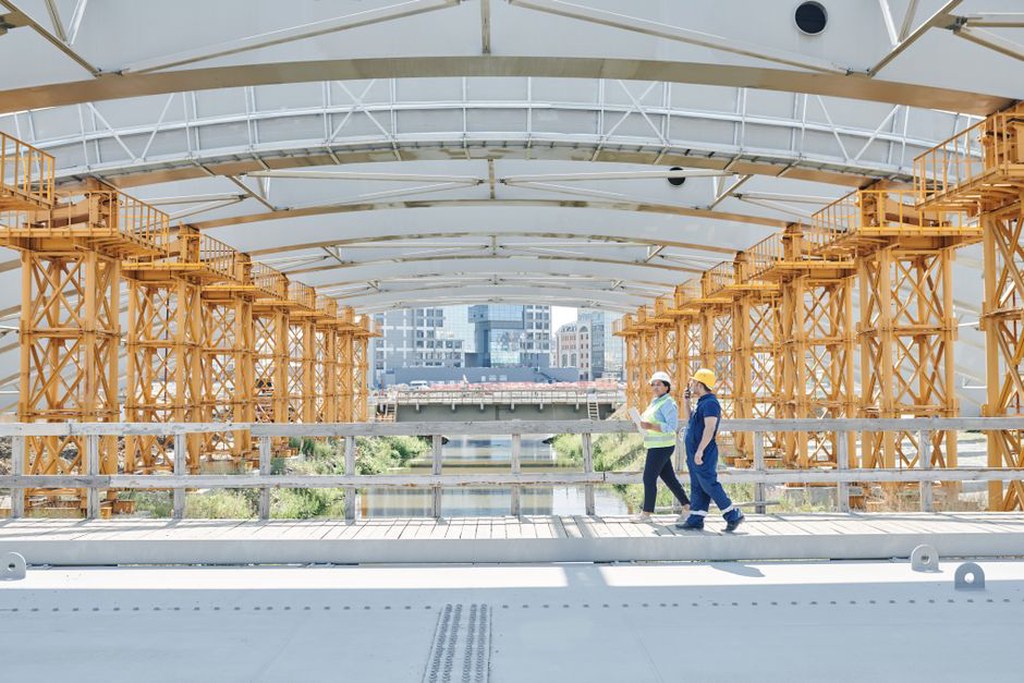
Despite these advancements, several challenges remain in implementing advanced bridge monitoring systems. Ensuring data accuracy and reliability, maintaining sensor networks, and managing large data volumes are ongoing concerns. Integrating new technologies into existing infrastructure also requires careful planning and investment.
Looking to the future, the development of soil monitoring and geotechnical technologies will further bolster the stability and resilience of bridge structures. Innovations in material science, such as self-healing materials and corrosion-resistant coatings, are also expected to play a crucial role in enhancing bridge longevity.
Conclusion
The adoption of innovative technologies in bridge monitoring is reshaping the field of structural engineering. By using smart sensors, wireless networks, data analytics, and drone technology, engineers can better ensure the safety and durability of bridge infrastructure. As these technologies continue to advance, they promise to offer even deeper insights into the health and performance of bridges, ultimately contributing to safer and more reliable transportation networks.