
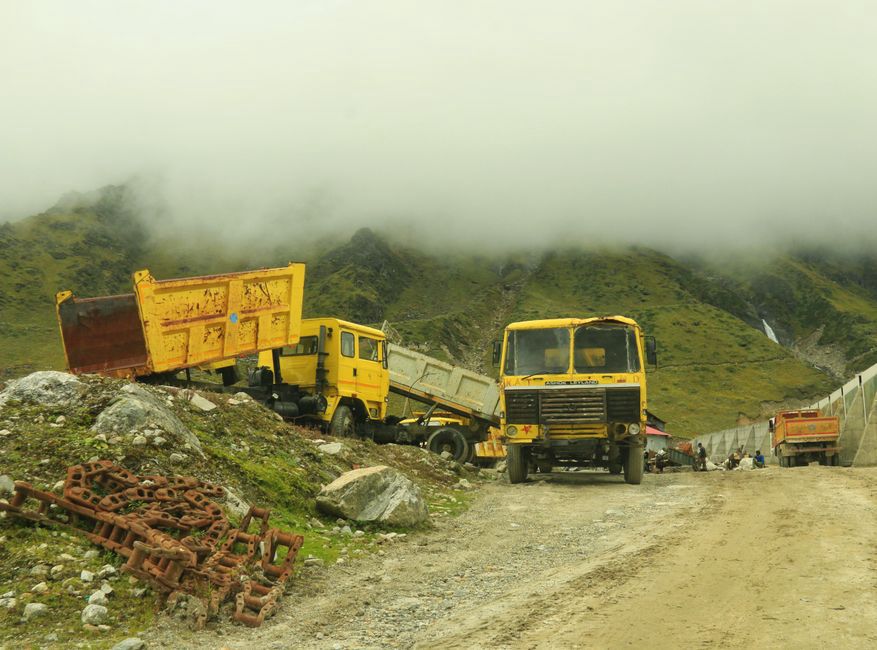
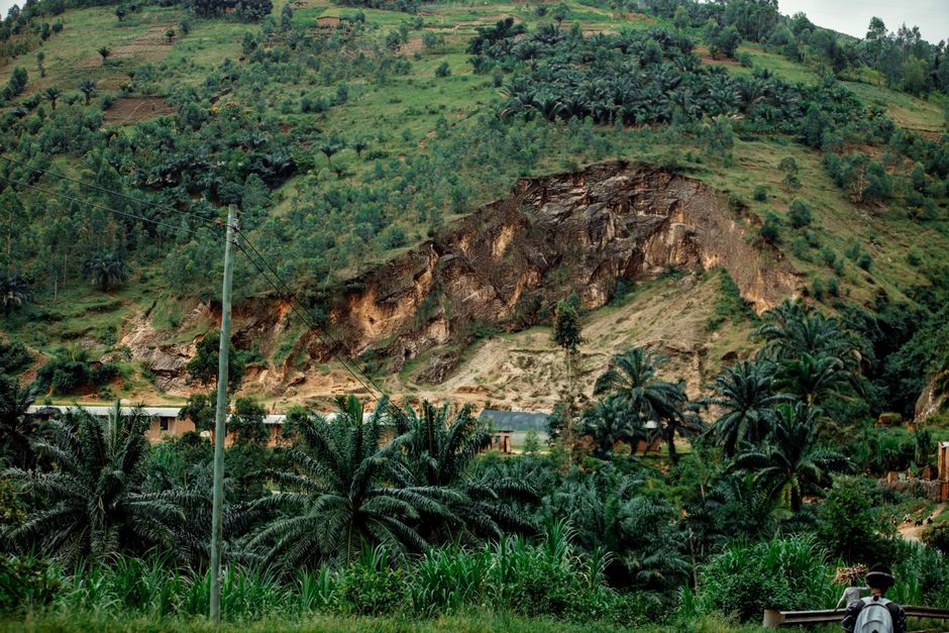
In regions where steep terrains and heavy rainfall are common, landslides pose a serious threat to road infrastructure. If these risks are not properly managed, they can lead to disastrous failures, incurring high repair costs and endangering lives. To ensure the safety and durability of road networks, it is essential to understand how landslides occur and adopt strategies to mitigate them effectively.
Understanding Landslide Mechanisms
Landslides happen when the forces pulling a slope downwards surpass those holding it in place. Key factors influencing slope stability include the type of soil, moisture levels, the angle of the slope, and the presence of vegetation. In road construction, assessing these elements is crucial for predicting landslide risks. Geotechnical investigations, such as soil sampling and stability analyses, are essential in identifying conditions that could trigger a landslide.
Design Strategies to Mitigate Landslide Risks
Reducing landslide risks in road construction involves a blend of engineering techniques, environmental management, and ongoing monitoring. Here are some effective strategies:
1. Slope Stabilization
Stabilizing slopes is a direct approach to minimizing landslide risks. Techniques like terracing, building retaining walls, and using geosynthetics are commonly employed. Structures such as gabion walls or reinforced earth walls add extra support to prevent soil from shifting.
2. Drainage Control
Proper drainage systems are vital for managing water that can destabilize slopes. Installing surface drains, subsurface drains, and lined channels helps reduce water infiltration into the soil, thereby lowering the likelihood of landslides.
3. Vegetation and Bioengineering
Plants play a crucial role in stabilizing slopes by binding soil with their roots and decreasing surface runoff. Bioengineering methods, like planting deep-rooted grasses and shrubs, can enhance natural stability.
4. Geotechnical Reinforcement
Advanced geotechnical methods, such as soil nailing and rock bolting, offer additional support to unstable slopes. These techniques involve inserting steel rods or bolts into the ground to boost its shear strength, effectively anchoring the slope material.
Implementation of Monitoring Systems
Monitoring slopes continuously is essential for early detection of landslide risks. Tools like inclinometers, extensometers, and GPS systems can track ground movements, providing data for timely interventions. Additionally, technologies such as satellite radar offer extensive coverage for observing large areas, as explored in Monitoring Railway Track Stability: From Pore Pressure to Satellite Radar.
Integrating Risk Assessment in Road Design
Risk assessment is a crucial part of the road design process. Through detailed site investigations and predictive modeling, engineers can pinpoint potential landslide zones and incorporate suitable design features. This proactive approach not only enhances safety but also reduces long-term maintenance expenses.
Case Studies and Real-World Applications
Several case studies highlight the success of these strategies in real-world settings. For instance, the installation of drainage systems and retaining structures in Japan's mountainous areas has notably decreased landslide occurrences. Similarly, bioengineering methods in the Swiss Alps have effectively stabilized slopes while maintaining the natural environment.
Conclusion
Addressing landslide risks in road design demands a comprehensive approach that combines engineering know-how, environmental management, and technological advancements. By grasping the causes of landslides and applying effective mitigation strategies, engineers can create safer and more resilient road networks. For more information on improving infrastructure resilience against natural hazards, refer to Navigating Natural Risks in Transport Infrastructure.