
A spare pair of shoes can take up more room than a change of clothes. Before packing it, ask whether the pair you'll wear can cover every activity on your weekend schedule. That decision often saves more space than squeezing down an overlong clothing list.
Pack for the trip you have planned, not every possible change of plans. The goal isn't the smallest bag: it's one you can carry comfortably, with essentials within reach and enough room to adapt to the weather or a schedule change.
Set the packing limit before choosing clothes
Start with the fixed points: when you leave and return, how many nights you'll be away, your activities, the forecast, and whether you can do laundry. Leaving Friday evening and returning Sunday afternoon may call for only two daytime outfits, rather than three complete changes. A booked event with a dress code changes the calculation; a hypothetical invitation usually doesn't.
Choose a bag that suits how you'll travel. If you'll carry it between stations, up stairs, or on a long walk, weight matters as much as volume. Flying? Check your carrier's current cabin-bag dimensions, weight allowance, and restrictions. Train and bus operators may have rules too. A bag sold as a carry-on won't necessarily meet every operator's requirements.
Treat the bag as a limit, not a space you have to fill. Leave room for an extra layer, food bought along the way, or belongings that prove harder to repack for the return.
Build outfits around the actual itinerary
Count uses, not individual garments
List what you'll wear in transit, what you need on each full day, and any separate outfit a planned event requires. Your travel clothes already count. Comfortable trousers or a versatile top might work for both the journey and an ordinary day out.
For a casual two-night weekend, start with:
- One travel outfit suited to the expected conditions
- One or two additional tops
- One additional bottom, if activities or weather call for it
- Underwear and socks for each day, plus a spare if useful
- Sleepwear that packs small
- One outer layer suited to the forecast
Use this as a check, not a rule. Hiking, a formal meal, swimming, or wet weather may require other items. Add what's needed for a specific activity, then see whether something already on the list can do two jobs. A layer you can wear while travelling and on a cool evening is more useful than a third top reserved for an unlikely outing.
Choose clothes that work together and feel comfortable for the hours you'll wear them. A garment that creases easily, needs special care, or becomes uncomfortable after a few hours may be less useful than it appears on the list. Don't rely on an untested item as your only option for particular conditions.
Handle shoes as a separate decision
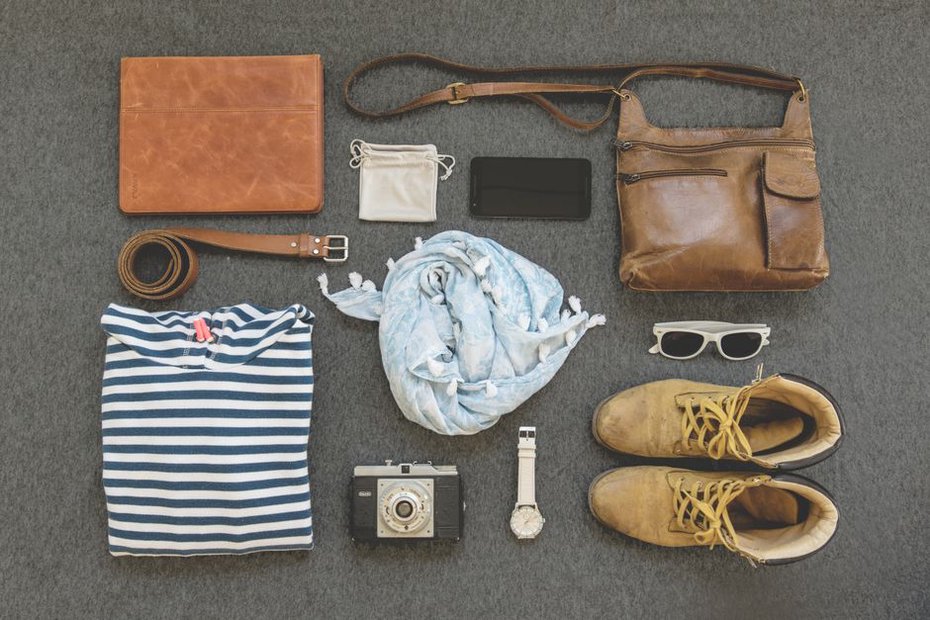
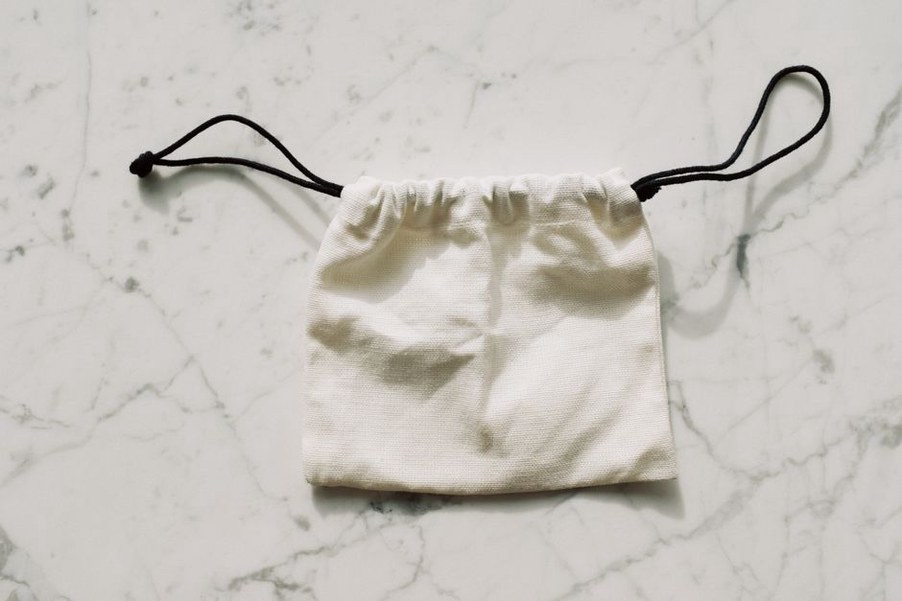
Wear the bulkiest pair you need in transit, as long as it's comfortable for the trip. Pack a second pair only if an event, activity, or wet conditions call for shoes the first pair can't replace. Put spare shoes in a pouch so their soles don't touch clean clothes. Socks can go inside them if that makes packing tidier, but there's no need to fill every gap.
Plan for weather without packing for every forecast
Check the forecast near departure, including changes in temperature through the day and the chance of rain. A light rain layer may be more useful than several bulky garments. In colder weather, layers offer flexibility if each one is suitable for the conditions you might face.
Pack for likely conditions without ignoring the consequences of severe ones. Occasional rain calls for a way to stay dry, not necessarily a duplicate outfit for every day. Remote areas, exposed routes, and activities with specific safety requirements are different: check the conditions and activity guidance, then pack for those needs rather than following a minimalist clothing list.
Check what your accommodation provides, including towels, bedding, a hair dryer, and basic toiletries. If you plan to wash clothes, make sure there's time and a suitable place for them to dry. A cool room can leave a garment damp overnight.
Keep essentials distinct from convenience items
Make a short essentials list before considering extras. Travel documents or identification, tickets or booking details, payment methods, necessary medication, glasses or contact-lens supplies, your phone, and its charger can be harder to replace quickly than optional clothing. Keep medication and anything else you may need in transit within reach, subject to applicable transport rules.
Pack only the toiletries you'll use. Small refillable containers can help; label them clearly and check container rules if you're flying. Keep liquids together in a pouch that can contain a leak. A solid product avoids spills if it suits your routine, and there's no reason to buy travel-sized versions of items your accommodation already provides.
Check that your chargers and adapters work with the devices you're taking. One cable may be enough, but confirm the plug type and charging needs before you leave. Keep a separate checklist for any specialist activity equipment so it doesn't get lost among everyday clothes.
Pack so the contents stay usable
Lay everything out before putting it in the bag. Duplicates are easier to spot there: two jackets for the same conditions, for example, or several tops without different uses. Remove the least useful item from each duplicated category. Then pack the bag and lift it. If it feels awkward even on a short walk around the room, shift the load or reconsider a heavy item.
Place dense items near the bag's back or base, depending on its design, so it's more comfortable to carry. Keep documents, medication, and a weather layer accessible. Pouches can separate clean clothes, toiletries, and cables, but should help you find things rather than add clutter.
Roll clothes, fold them flat, or use packing cubes—whichever works for your bag. None of these methods replaces leaving unnecessary items at home. Compressed clothes still weigh the same, and an overfilled bag makes things harder to find. Leave a little space or use a separate pouch for worn clothes, particularly if they might be damp.
Do one final pass based on consequences
For each item you're unsure about, ask how likely you are to use it and what happens if you don't have it. A spare top may make sense if spills are likely and laundry isn't available. A third pair of shoes for a possible outing probably doesn't. Necessary medication and documents stay on the list even if they take little space or remain untouched during the trip.
Run through the schedule once more: travel, planned activities, sleep, and the return trip. Wear the shoes and outer layer you've chosen for departure, then make sure the rest fits without forcing the bag closed. Put your identification, necessary medication, and charger in their intended pockets before you set the bag by the door. Small items are easy to miss in a rushed departure.