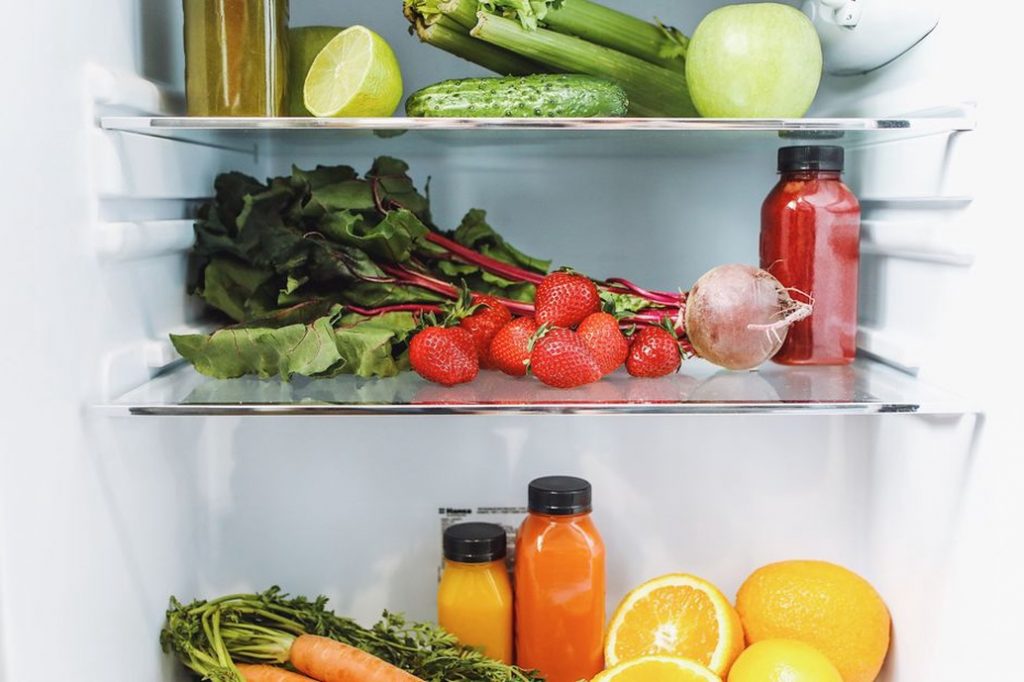
That bag of spinach bought for Thursday’s dinner can disappear behind newer groceries by Tuesday. A more detailed meal plan may not help. Put food that needs using soon where everyone can see it, then check that spot before deciding what to cook. In a busy household, less waste often comes down to finding food in time and having a realistic way to use it when plans change.
Find out what your household actually throws away
For one week, make a quick note whenever food goes in the bin. Write down what it was and why: forgotten at the back of the fridge, cooked in excess, bought without a plan, or no longer safe to eat. A note beside the bin will do. You’re looking for a pattern, not counting every peel and eggshell.
Separate unavoidable scraps from food that could have been eaten. Potato peels and bones call for different decisions than untouched yogurt or a full serving of rice. If leftovers are the main problem, adjust portions or how you store them. If fresh produce keeps going bad, buy less at a time or use some frozen alternatives. Start with one change you can keep up.
Plan around your busiest days
Before shopping, check the calendar as well as the kitchen. You might have time to cook on Monday but need a reheatable meal on Wednesday and something nearly effortless on Friday. Plan meals you’re reasonably likely to make, leaving room for leftovers and last-minute changes. Ingredients for seven ambitious dinners won’t create seven free evenings.
Start with perishables already at home. If mushrooms need using, pick a meal that can take them before adding more produce to the list. For other nights, choose flexible meals over recipes that call for several ingredients sold in larger quantities than you need. Soup, an omelet or a grain bowl can use up small amounts of vegetables or cooked meat without making everyone eat the same meal twice.
It helps to distinguish a planned meal from a backup meal. Planned meals use the fresh ingredients bought that week. Backup meals draw mostly on pantry or frozen food when work runs late. Pasta with frozen peas and pantry sauce, for instance, can replace a more involved dinner without an extra takeaway order. Move the postponed fresh meal to the next available night so its ingredients don’t get left behind.
Shop from quantities, not recipe names
“Salad” on a shopping list might turn into a large box of greens, a whole cucumber and a bunch of herbs for two servings. Write down approximate amounts and check whether you can use an ingredient in another meal. If a recipe calls for a little parsley, decide what you’ll do with the rest before buying the bunch. If you have no use for it, another garnish or a frozen option may make more sense.
A large pack is a bargain only if you can eat, freeze or share its contents while they’re still usable. Compare what you’ll use, not just the unit price. More frequent trips for fragile produce can work too, if they fit your routine.
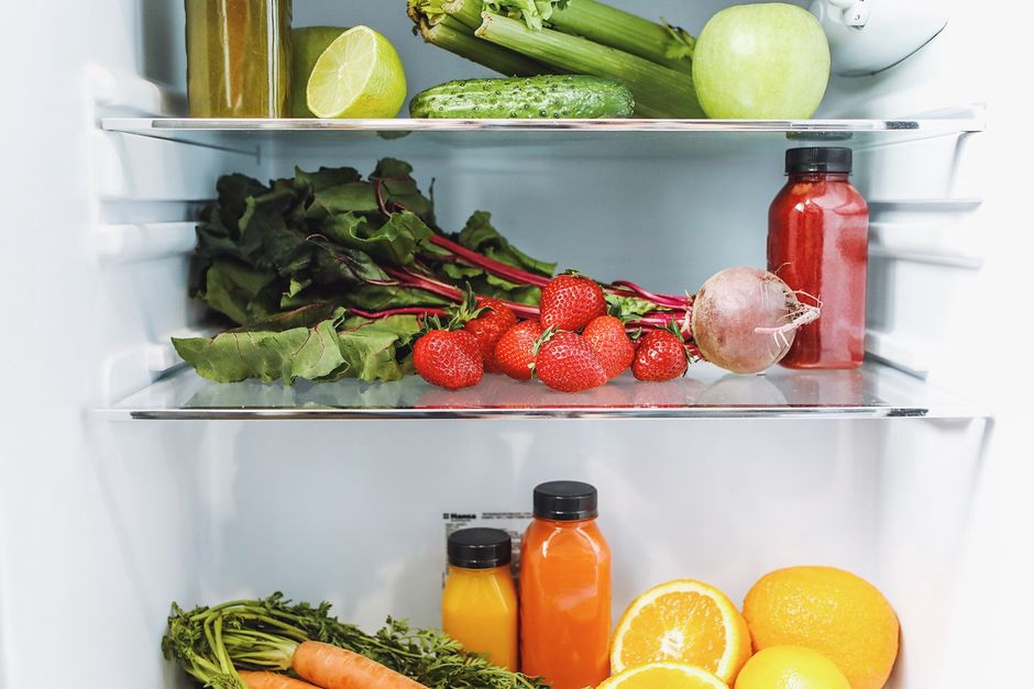
Give perishable food a visible place
You don’t need matching containers. You need a consistent place for food with a short remaining life. Keep opened packages, prepared ingredients and older leftovers where people can see them. When appropriate, put new purchases behind older ones. Keep raw foods contained and separate from ready-to-eat foods so drips can’t contaminate them.
Label leftovers with what’s inside and when they were cooked or stored. “Tuesday lentil soup” is more useful than an opaque container everyone has to open. Let others know what’s available for lunch, too; otherwise, they may assume the leftovers are spoken for.
Before shopping, check three places: the produce drawer, the leftover shelf and the freezer. Note what needs using and whether you already have an open package of anything on your list. That quick look may serve you better than an inventory that’s out of date after one busy day.
Store food according to the product
Storage advice varies by food. Some produce benefits from refrigeration; other items keep better outside the fridge until they’re cut or ripe. Follow package instructions when available. Use a thermometer to check that the refrigerator is at a safe temperature rather than relying on how cold it feels, and leave enough space for air to circulate.
Use suitable containers for foods prone to spoilage, but avoid washing delicate berries well before you’ll eat them if the added moisture makes them deteriorate faster. Dry leafy greens before storing them. Check produce now and then so a damaged item doesn’t sit unnoticed against the rest. If something has spoiled, throw it away and clean any surface it touched.
Make leftovers easier to eat than to ignore
Pack leftovers promptly instead of leaving a large pot out while you clean the kitchen. Divide large batches among smaller, shallow containers so they cool more readily, then refrigerate or freeze them in line with food-safety guidance. If people usually take leftovers for lunch, pack lunch-sized portions. A single large tub may stay untouched because nobody wants to reheat the whole thing.
Give leftovers a destination as you put them away: tomorrow’s lunch, another dinner or the freezer. If nobody wants the same meal again soon, freeze a portion while it’s still in good condition. Label it with the contents and date so you can recognize it later.
Using up ingredients isn’t the same as stretching unsafe food. Cooked vegetables can go into a frittata or soup. Plain rice can form part of another meal if it has been cooled, stored and reheated safely. Follow appropriate food-safety advice for higher-risk foods, especially cooked rice, meat and seafood. Reheating won’t reliably make spoiled or improperly stored food safe.
Cook amounts your household will finish
If you keep throwing out the last servings of a dish, try a smaller batch next time or set aside portions for the freezer before serving. For pasta or rice, measure the dry quantity a couple of times and note how much your household actually eats. That gives you a useful reference without imposing a rigid serving rule.
When appetites vary, serve modest first portions and offer seconds from a clean serving dish. Food left there can often be stored more readily than food scraped from individual plates. This can help when children’s appetites change from day to day.
Use the freezer as a plan, not a holding area
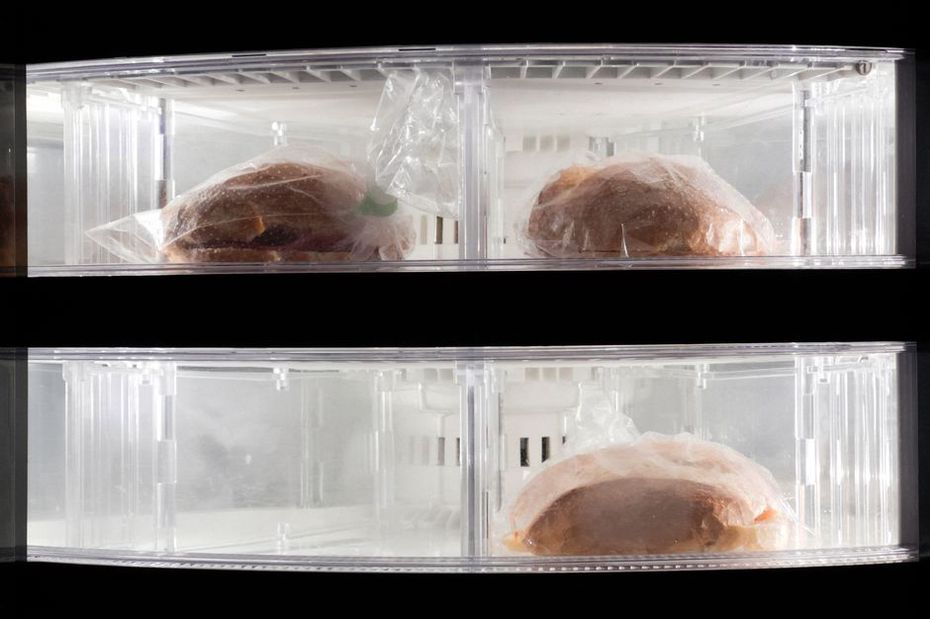
Freezing helps if food goes in while it’s still worth eating—and if you can find it later. Freeze bread in portions you’ll use, separate items likely to stick together, and choose containers or bags suited to freezing. Remove excess air where practical to limit quality loss. Label food clearly: “tomato and lentil sauce” is easier to identify than “sauce.” Add the date.
If packages tend to disappear into the freezer, keep a short list on paper or your phone. Cross items off as you use them and check the list before freezing another batch. Where possible, place newly frozen food behind older food. Freezing doesn’t improve food that was already poor-quality, and thawing can change its texture. Produce you wouldn’t want in a salad after freezing may still work in a cooked dish.
Think about thawing before you need dinner. Refrigeration is a reliable method for many foods, though it takes time; other safe methods depend on the food and whether you’ll cook it immediately. Don’t leave perishables on the counter for an extended period because the evening’s plans changed.
Understand dates without guessing about safety
Date labels mean different things, and wording varies by location. A “best before” date generally refers to quality, while a “use by” date is used when safety may be at issue. Read the label and local guidance rather than treating every printed date alike. Storage instructions matter, as does whether the package has been opened.
Don’t rely on smell or appearance alone to judge a high-risk food safe after its specified use-by date or improper storage. On the other hand, a passed quality date doesn’t automatically mean a properly stored, shelf-stable food must go in the bin. If packaging is damaged, food shows signs of spoilage or you’re unsure how it was stored, avoiding waste isn’t worth a foodborne illness.
Share the work without creating another chore
The system won’t work if only one person knows what’s in the fridge. Agree on a shelf for ready-to-eat leftovers, label containers and use a shopping list everyone can update. If someone finishes an ingredient needed for dinner, they can flag it or change the plan before the next shop.
Keep the routine small: five minutes to check the kitchen before shopping, a moment to label leftovers and a decision about what to freeze. If a task keeps getting skipped, make it easier. Masking tape and a pen may work better than an app that asks everyone to log each serving.
When plans change, decide what to do with the most perishable ingredient. If Thursday’s dinner is canceled and the opened spinach won’t last until the next cooking night, put it in tomorrow’s eggs, cook it for a later meal or freeze it if suitable. Don’t let it sit in the drawer by default.