Understanding the Challenges of Aging Infrastructure
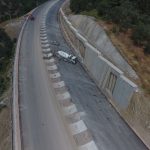
Transport infrastructure around the world is aging, presenting significant hurdles for engineers and policymakers. As time progresses, structures deteriorate due to environmental factors and increased usage, demanding strategic rehabilitation to maintain safety and functionality. Tackling these issues requires a deep dive into the causes of degradation and the use of new rehabilitation methods.
Assessment and Diagnosis
Rehabilitating aging infrastructure begins with a thorough examination and diagnosis of its current state. This process involves detailed inspections and advanced diagnostic tools like ground-penetrating radar (GPR), infrared thermography, and structural health monitoring systems. These technologies are crucial in pinpointing structural weaknesses, material fatigue, and potential failure points.
Structural Health Monitoring
Structural health monitoring (SHM) is essential in identifying infrastructure issues. By deploying sensors and data collection systems, engineers can keep a continuous watch on the condition of bridges, tunnels, and roadways. This real-time data enables timely interventions and maintenance, reducing the risk of catastrophic failures.
Rehabilitation Techniques
After assessing the infrastructure, choosing the right rehabilitation techniques is vital. These methods can range from basic maintenance to extensive structural overhauls. Common techniques include:
- Surface Treatments: Using sealants and overlays can protect surfaces from erosion and weathering.
- Concrete and Steel Reinforcement: Adding support materials to existing structures enhances their load-bearing capacity.
- Geotechnical Solutions: Techniques like soil nailing and geosynthetics improve foundation reliability by addressing soil stability issues.
Incorporating sustainable materials in road pavements is also gaining traction, offering environmental and economic benefits.
Innovative Approaches
Modern rehabilitation strategies often integrate innovative technologies to boost efficiency and longevity. Self-healing materials, which contain microcapsules with repair agents, can autonomously mend cracks and extend the lifespan of structures. Fiber-reinforced polymers (FRP) are another advanced option for strengthening and retrofitting aging structures.
Integrating smart infrastructure principles, such as sensors and IoT devices, allows for proactive maintenance through predictive analytics.
Case Study: Bridge and Tunnel Rehabilitation
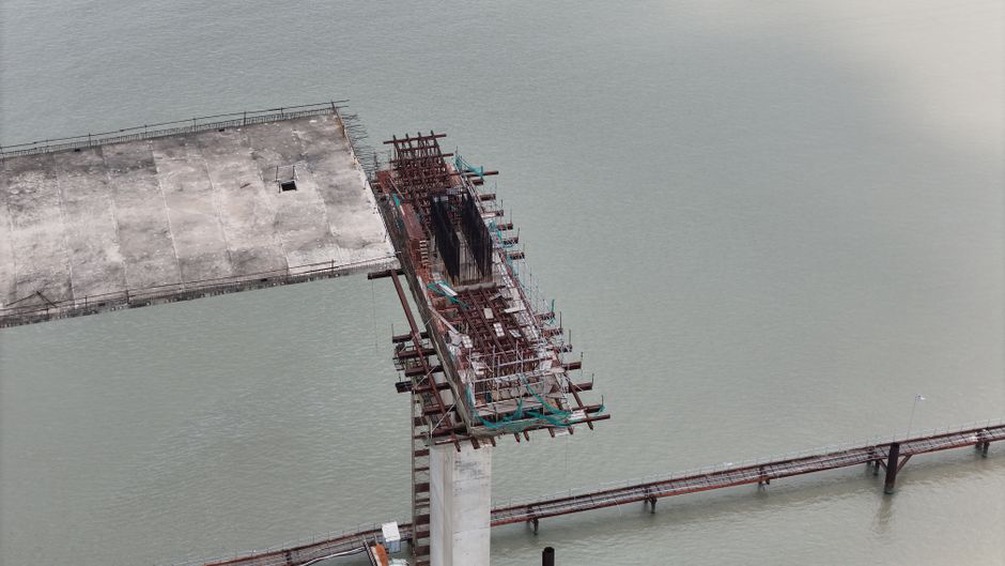
Bridges and tunnels are pivotal components of transport infrastructure, demanding specialized rehabilitation approaches. Understanding risks in bridge engineering is crucial for developing effective strategies. Innovations in tunnel construction technology aim to enhance resilience against both natural and man-made threats.
For example, using advanced materials and techniques like shotcrete lining and waterproof membranes in tunnels can significantly reduce infiltration and improve structural integrity. In bridge rehabilitation, techniques such as externally bonded reinforcement and post-tensioning are commonly employed to restore and enhance load-bearing capacities.
Conclusion
Revitalizing aging transport infrastructure is a complex task that combines traditional engineering practices with modern innovations. By utilizing advanced diagnostic tools, sustainable materials, and intelligent monitoring systems, engineers can maintain the safety, reliability, and longevity of transport networks. Ongoing research and development in this field will further improve our ability to preserve and upgrade these vital systems, preparing them to meet the demands of future generations.