
A toilet that refills when nobody has flushed it may be sending water straight to the drain. Check for losses like this before buying new fixtures or changing daily habits. A leak can run around the clock; a shorter shower saves water only while someone is showering.
Find out where the water goes
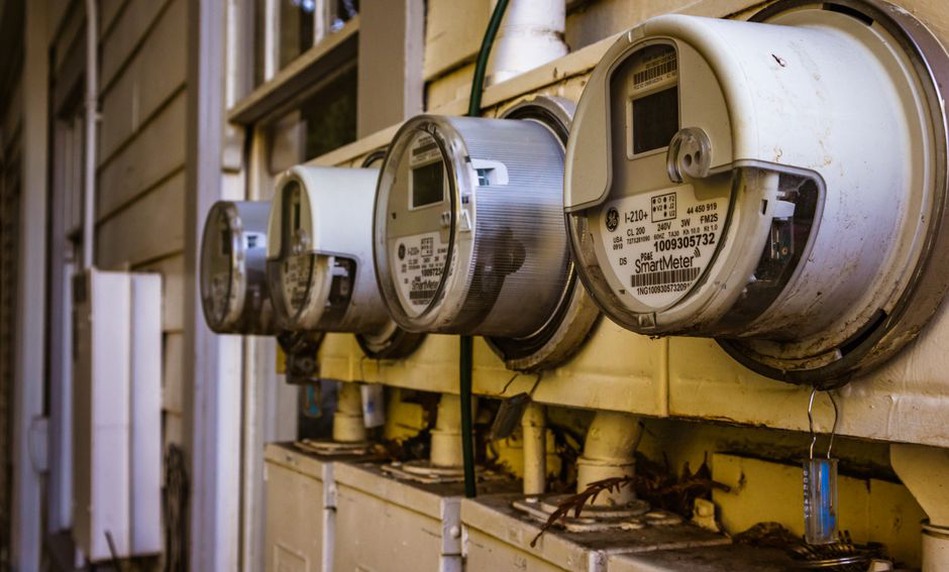
Compare water bills or meter readings for similar periods, allowing for changes in household size, weather and outdoor use. A high bill cannot pinpoint a leak, but an unexplained rise warrants a closer look. If you can access the meter, note the reading when taps and water-using appliances are off. Check it again after a period with no intentional use. If it has advanced, water may be flowing somewhere, though automatic equipment such as a water softener can complicate the test.
Check the likely sources before assuming a pipe is leaking. Listen for a toilet refilling between flushes. Look for dripping taps, dampness under sinks and persistent wet patches near exposed plumbing. To test a toilet's flush seal, put a small amount of food coloring in the tank. If color reaches the bowl without a flush, water is crossing the seal. Follow the manufacturer's guidance, and avoid products that might stain or damage components. If the meter reading remains unexplained or you suspect a concealed leak, arrange a qualified inspection rather than opening walls at random.
Use less at the fixtures you touch most
Taps and showers
Turn off the tap while brushing teeth, shaving or scrubbing dishes, then turn it back on to rinse. Wash produce in a bowl or basin instead of under a continuous stream. If you must run the tap while waiting for hot water, collect the clean cold water for a suitable use. Use a clean container, and do not use water that has touched raw food or cleaning chemicals.
For a frequently used tap, check whether an aerator fits. A lower-flow showerhead may also work well in your home. Both reduce the volume delivered per minute, but savings depend on how long the water runs and whether people compensate by using it longer. Choose fittings compatible with the fixture and local plumbing requirements. If a shower performs poorly, restricting its flow may not help: scale buildup, pressure problems or an aging valve could be the cause.
Time a typical shower once to establish a baseline; there is no need to impose a strict daily limit. Cutting a few minutes from a long shower will usually save more than shaving a few seconds off tap use. In a shared bathroom, an easy-to-read timer makes the change measurable rather than a point of argument.
Toilets
Repair a running toilet promptly. A worn flush seal, incorrectly set float or fill valve that fails to shut off may be responsible. Use parts that match the toilet, and check the repair with several test flushes. Do not put a loose brick or another improvised object in the tank: it can interfere with the mechanism and leave too little water for an effective flush. If the toilet is due for replacement, compare rated flush volumes and performance for models available locally, rather than choosing on volume alone.
Make appliance loads count
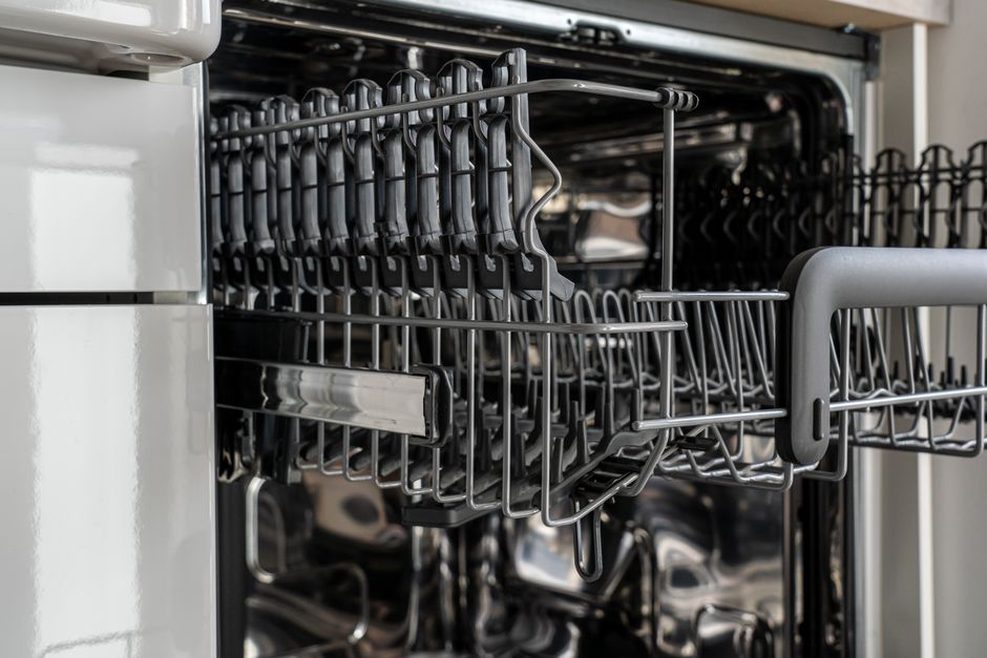
Dishwashers and washing machines generally use water according to their cycle and settings, not simply the number of items inside. Run reasonably full loads, but leave enough space for dishes to clean and laundry to move. For a smaller wash, use a load-size or water-level setting if the machine has one. An efficient cycle helps only if it cleans items the first time; repeated washes erase the benefit.
- Scrape food from plates before loading the dishwasher instead of routinely rinsing them under a running tap, unless the appliance instructions call for rinsing.
- Use the recommended amount of detergent. Excess suds can interfere with washing and lead to extra rinsing.
- Check hoses, connections and the floor around appliances for drips or moisture, especially after installation or maintenance.
- When replacing an appliance, compare water use for comparable cycles alongside capacity, cleaning performance and repairability.
When washing dishes by hand, fill a basin for washing and use a controlled rinse rather than leaving the tap running. Keep soapy or contaminated water out of containers used for drinking water or food preparation.
Adjust outdoor water use to conditions
Outdoor watering can rise sharply in dry weather. Before watering established plants, check whether the soil is dry below the surface instead of relying on a fixed daily schedule. Apply water near the roots, not onto paving. Mulch can slow evaporation from bare soil, but keep it away from stems and building surfaces where persistent moisture could cause problems.
A rain sensor or properly set irrigation controller can prevent watering during rain. You still need to check for broken heads, misdirected spray and leaks. Follow local watering restrictions and drought guidance. If you collect rainwater, use a covered container with appropriate overflow and mosquito control, and check local requirements. Roof runoff is not automatically safe for drinking or washing produce.
Sweep paths and patios before reaching for a hose. If washing is necessary, use a bucket or shut-off nozzle so water flows only when needed. Do not direct wash water toward drains if it contains detergent, paint residue or other contaminants; disposal requirements depend on its contents and local rules.
Check whether a change worked
If practical, record the meter reading on the same day each week and note unusual use, such as guests or garden watering. Compare several weeks rather than treating one reading as proof of savings. After repairing a leak, compare the reading taken before the repair with one taken after a similar no-use period. If the meter still advances, another source may remain. Keep the repair date and readings with your household maintenance notes so you have a starting point if the next bill is unexpectedly high.