Geotechnics is essential in the design of road foundations, which are crucial for transport infrastructure. A road's foundation must handle traffic loads, withstand environmental shifts, and maintain durability over time. Geotechnical assessments delve into soil properties, load-bearing capacities, and the interaction between natural and constructed elements. Engineers depend on geotechnics to maintain a road's structural integrity, safety, and longevity.
Understanding Soil Mechanics
Soil mechanics, a core aspect of geotechnical engineering, investigates how soil behaves under different conditions. Engineers analyze soil composition, density, moisture content, and shear strength to assess its suitability for supporting roads. Thorough soil analysis can identify potential problems like soil settlement, which might cause uneven surfaces and structural failures.
Take clay-rich soils, for instance; their high shrink-swell potential can lead to pavement cracking. On the other hand, sandy soils may offer better drainage but might need stabilization to prevent erosion. Engineers must evaluate these characteristics to design foundations that suit the soil's specific properties at each site.
Site Investigations and Testing
Gathering data about subsurface conditions through site investigations is vital. Techniques like borehole drilling, cone penetration testing, and geophysical surveys provide valuable insights into the soil's physical and mechanical properties. These tests enable engineers to design foundations that can withstand anticipated loads and environmental conditions.
Laboratory tests, such as triaxial compression tests and consolidation tests, offer detailed data on soil behavior under simulated load conditions. This information is crucial for developing predictive models and designing effective road foundations.
Designing for Load-Bearing Capacity
Ensuring a road's foundation has adequate load-bearing capacity is a primary goal in its design. Geotechnical engineers calculate the necessary bearing capacity to support traffic loads and prevent excessive settlement. This involves assessing the strength of the subgrade and, if needed, enhancing it through methods like compaction, chemical stabilization, or using geosynthetics.
- Compaction: This process increases soil density and strength by reducing air voids, enhancing load-bearing capacity, and minimizing settlement risks.
- Chemical Stabilization: Adding materials like lime or cement can improve soil properties, making it more stable and less prone to moisture-induced changes.
- Geosynthetics: These materials reinforce soil, provide drainage, and separate different layers, improving the roadbed's overall stability.
Addressing Environmental and Seismic Concerns
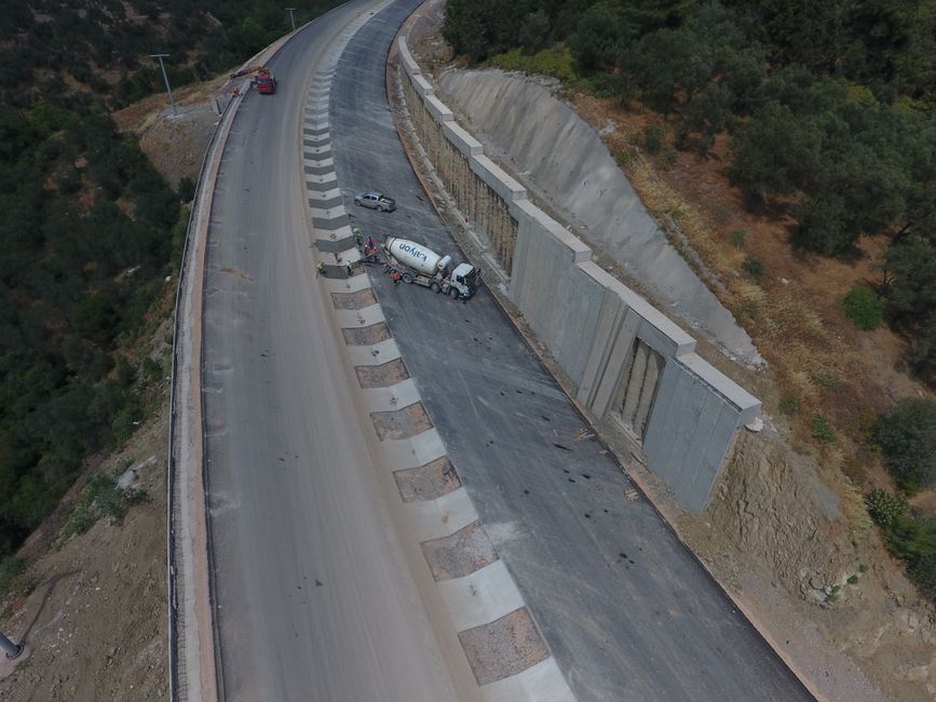
Road foundations must consider environmental factors like temperature changes, precipitation, and seismic activity. Geotechnical assessments evaluate these potential impacts and guide the design of resilient infrastructure. In seismic-prone areas, for example, engineers might use special foundation designs to accommodate ground shaking and prevent damage.
For a deeper understanding of these challenges, explore Understanding Seismic Impacts on Tunnels, which examines how seismic considerations affect tunnel engineering and can parallel strategies for roads.
Ensuring Long-Term Durability
The longevity of a road heavily depends on its foundation's ability to resist degradation over time. Geotechnical engineers use various techniques to mitigate risks like soil erosion, water infiltration, and freeze-thaw cycles. Implementing effective drainage systems and using durable materials are key strategies. For example, Embracing Sustainable Materials in Road Construction discusses how sustainable materials can contribute to more durable road foundations.
Regular monitoring and maintenance are also crucial for spotting early signs of distress. Programs that track pavement conditions and soil stability allow engineers to plan timely interventions, extending the road's service life.

In summary, geotechnics is a fundamental aspect of road foundation design, ensuring roads meet the demands of modern transportation. By mastering soil mechanics, evaluating site-specific conditions, and using advanced stabilization techniques, engineers can construct roads that endure environmental challenges and the test of time.