
Understanding the Challenges in Bridge Foundation Repair
Repairing the foundation of a bridge is vital to maintaining its structural strength and keeping the public safe. Various challenges make these repairs complex, such as environmental factors, material wear and tear, and the original construction methods. Traditional repair methods often lead to traffic disruptions, require extensive labor, and incur high costs. However, new techniques are being developed to tackle these issues more efficiently.
Emerging Techniques in Bridge Foundation Repair
Advancements in technology and materials science have introduced new methods for repairing bridge foundations. These innovations aim to reduce traffic disruptions, lower costs, and extend the life of bridge structures.
1. Use of Composite Materials
Fiber-reinforced polymers (FRP) are gaining popularity in bridge foundation repair. These composites are strong yet lightweight and resist corrosion, making them perfect for reinforcing structures. By wrapping bridge piers and foundations with FRP, engineers can boost load-bearing capacity and durability without adding much weight.
2. Jet Grouting
Jet grouting improves the ground by injecting a high-pressure fluid to mix and stabilize the soil around bridge foundations. This technique is especially useful in areas with weak or unstable soil. It creates a solidified mass that better supports the bridge's weight and minimizes settlement issues.

3. Micro Pile Installation
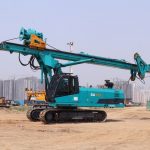
Micro piles are small-diameter steel elements drilled into the ground to provide additional support. They are ideal for confined spaces or when existing foundations need strengthening without major excavation. This versatile solution adapts to various soil conditions and load requirements.
Monitoring and Diagnostics: Key to Successful Repairs
Choosing the right materials and techniques is just one part of effective bridge foundation repair. Continuous monitoring and diagnostics are crucial for long-term success. Advanced monitoring systems, like those discussed in the article on Bridge Inspections: Techniques, Challenges, and Innovations, offer real-time data on structural performance and environmental conditions. This information helps engineers make informed decisions and adjust repair strategies as needed.
Integrating Innovative Solutions with Traditional Techniques
Combining new approaches with traditional techniques can often yield the best results. For instance, using jet grouting alongside conventional underpinning methods can improve soil stability and allow for better load distribution. Similarly, integrating composite materials with traditional concrete repairs can enhance durability and resistance to environmental stress.
Benefits of a Hybrid Approach
- Increased Adaptability: A hybrid approach lets engineers customize repair strategies to match specific site conditions and structural needs.
- Cost Efficiency: By using both traditional and innovative methods, projects can be completed more economically.
- Enhanced Durability: Combining materials and techniques leads to stronger and more resilient bridge foundations.

Conclusion: A Future-Ready Approach to Bridge Foundation Repair
Embracing new methods in bridge foundation repair is crucial for tackling the challenges of aging infrastructure and changing environmental conditions. By using advanced materials, techniques, and monitoring systems, engineers can keep bridge structures safe and functional for the future. As highlighted in Reviving Our Transport Networks: Tackling Aging Infrastructure, integrating new technologies into repair and maintenance practices is essential for creating sustainable and future-ready transport infrastructure.