A rail can meet its nominal strength requirement and still develop surface damage under repeated wheel contact. A sleeper may pass an initial load test but lose capacity after water reaches its reinforcement. In railway track, durability means retaining the properties needed for safe geometry, load transfer and inspection throughout the intended service period—not simply avoiding breakage.
Each part of the track deteriorates differently. Steel is vulnerable to rolling contact fatigue, wear and corrosion; concrete to cracking and moisture-related damage; polymers to temperature, ultraviolet light and creep; and granular materials to crushing, fouling and poor drainage. Material selection has to reflect the exposure at each component and its interfaces, rather than rely on a broad “long-life” label.
Define the exposure before comparing products
Traffic, water and maintenance access shape the durability demand. Axle loads and accumulated tonnage govern stress cycles, while curves, switches, braking zones and joints can create more severe contact or impact conditions than nearby plain track. Climate affects temperature range, prolonged saturation and freeze–thaw cycling. De-icing salts, coastal air and industrial contamination may add corrosion risks.
The assessment should also consider what follows when a material degrades. A small loss of ballast beneath a sleeper may change its support and accelerate damage elsewhere. A failing pad may alter fastening forces without being obvious during a routine walkover. Where loads are changing, the assessment of railway track capacity for higher axle loads provides context for separating structural capacity from long-term deterioration.
Record the conditions that drive failure
- Mechanical: load spectra, contact forces, impact locations and restraint at interfaces.
- Environmental: water sources, drainage behavior, chlorides, temperature range and sunlight exposure.
- Operational: inspection access, grinding or tamping practices, replacement windows and acceptable service disruption.
Record these conditions for the site, including unusually wet or heavily loaded locations. A strong laboratory result under one exposure does not establish durability under another.
Rails and fastenings: surface damage and hidden interfaces
Rail steel must withstand wear and rolling contact fatigue. Harder grades can improve wear resistance in suitable applications, but hardness alone is not a sufficient selection criterion. Contact conditions, defect growth, weld performance and the planned grinding regime matter too. Grinding may remove shallow surface damage; deeper cracks call for a different response. Inspection must find defects before they threaten rail integrity.
Welds add variability. An inconsistent profile can increase local dynamic loading, while flaws or unfavorable metallurgical zones can initiate cracks. Durability specifications should cover qualified joining procedures and acceptance checks alongside parent-rail properties. Where corrosion is plausible, exposed rail and fastening details deserve attention, particularly where moisture or contaminants can collect.
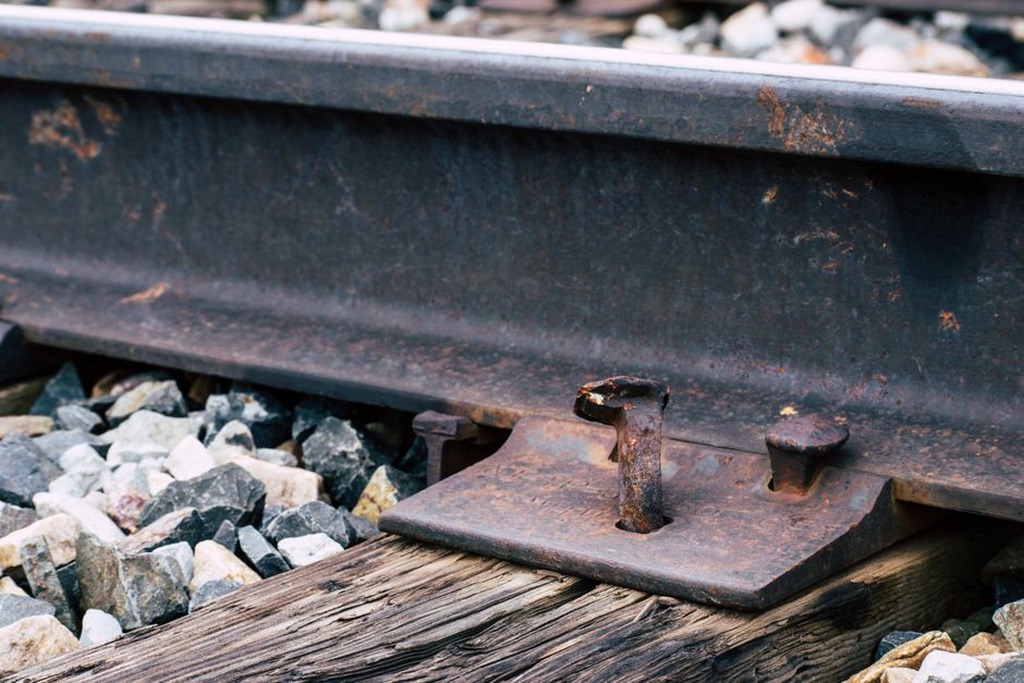
A fastening works as a system of clips, insulators, pads, shoulders and anchors. Together, they must retain restraint and, where required, electrical behavior. Polymer pads and insulators may stiffen, soften, creep or wear with age and exposure; abrasion can damage their contact faces. Even a small component change can redistribute forces into the sleeper or alter rail movement. Compatibility testing tells more than a comparison of individual catalogue properties.
Sleepers and structural concrete: cracks control exposure
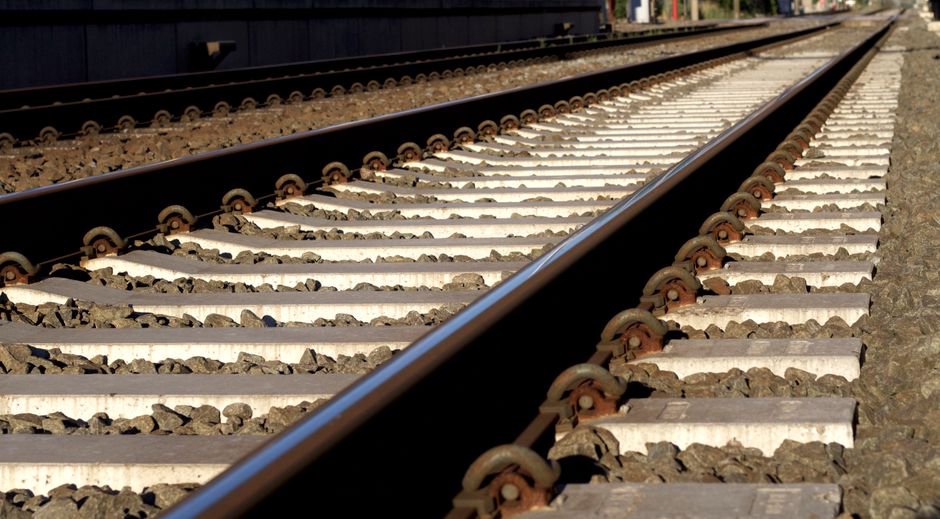
Concrete sleeper performance depends on the concrete, prestressing steel where used, and embedded fastening components. Strength at release or installation says little on its own about durability. Cracks can admit moisture and aggressive substances, while abrasion at the rail seat or underside can change how loads enter the sleeper. Mix consistency, curing, dimensional accuracy, prestress transfer and handling damage all warrant control.
Freeze–thaw risk depends heavily on whether the concrete becomes critically saturated. Chlorides may threaten embedded steel if they reach it through the concrete or through cracks. Chemical attack depends on the water and soil actually present. A well-drained section of track need not be treated as having the same exposure as a wet crossing or a coastal section.
Bridge decks, drainage elements and platforms have different concrete details, but the questions are familiar: where does water enter, where does it collect, and can a crack be inspected? A protective measure will not fix an unaddressed leakage path. Before choosing a repair, establish whether the defect stems from impact, reinforcement corrosion, poor drainage or movement at a joint.
Ballast and subballast: durability includes permeability
Ballast has to retain interlock, distribute loads and drain water. Aggregate that fractures under traffic and tamping produces fines that fill voids and impede drainage. Fines can also enter from the formation or surroundings, so fouling alone does not prove that the ballast aggregate is breaking down.
One abrasion index cannot describe aggregate suitability. Petrography, particle shape, resistance to fragmentation and signs of weathering help assess a source against expected loads and climate. Grading and cleanliness at delivery matter as well: segregation in transit or contamination during stockpiling can leave the material placed in track unlike the qualified quarry sample.
Subballast and separation layers need to work with the ballast and formation. A filter must limit migration of finer soil while allowing drainage under anticipated service conditions. A geosynthetic may lose effectiveness if it is punctured during installation, clogged by fines or exposed beyond its tested conditions. Durability of the product itself does not make an unstable formation capable of carrying the load.
Check evidence at the scale of the failure mechanism
A durability test is most useful when it represents a credible failure process. Fatigue calls for repeated loading. A polymer expected to retain stiffness needs aging and temperature-sensitive tests; ballast aggregate needs assessment for fragmentation and weathering. Accelerated tests help compare materials, but they cannot be read as a guarantee of service life in years. Field history carries more weight when traffic, climate, installation and maintenance conditions are comparable.
Procurement and construction checks should connect the tested product to what was installed. Depending on risk, this may involve production lots, certificates, dimensions, storage and site handling, plus sampling or independent testing. A compliant factory result cannot reveal a geosynthetic damaged during placement or a sleeper left with inadequate support.
Use inspection to distinguish aging from a local defect
Service observations test the assumptions made at selection. Rail surface measurements, ultrasonic examination, sleeper surveys, fastening checks and ballast sampling each show a different part of the condition. Relating trends to location, traffic and maintenance records helps distinguish a material problem from an interface problem. Repeated defects at a wet transition, for instance, need not indicate a defective batch.
A condition record should identify the defect, its extent, the suspected mechanism and what evidence is still missing. If several sleepers near a drain show recurrent white deposits and cracking, check water flow and concrete condition before specifying replacements. Record the affected chainage and the drainage state at the next wet-weather inspection so that the suspected link can be tested.