Introduction to Rail Track Maintenance
Maintaining rail tracks is crucial for the safe and efficient operation of both passenger and freight trains. Effective upkeep not only prolongs the life of rail components but also reduces service interruptions and enhances operational performance. While traditional maintenance methods remain important, they are increasingly being supplemented or replaced by new technologies and strategies that meet contemporary needs.
Advancements in Predictive Maintenance
Predictive maintenance uses data analytics and machine learning to foresee potential issues before they arise. Sensors placed along tracks and trains gather extensive data, which is analyzed to detect signs of wear and tear. This proactive approach allows maintenance teams to address problems early, minimizing downtime and preventing accidents.
For example, vibration sensors can identify irregularities in track geometry or rail integrity, prompting timely interventions. These systems are invaluable for pinpointing areas that need attention, thus optimizing maintenance schedules and resource allocation.
Automated Inspection Systems
Automated inspection systems are revolutionizing rail track monitoring. Equipped with high-resolution cameras and laser scanners, these systems provide detailed evaluations of track conditions. They operate continuously, collecting data even in situations where human inspections might be challenging.
- Laser Scanning: Offers precise measurements of track alignment and surface conditions.
- High-Resolution Imaging: Captures real-time images for detailed analysis of track components.
- Thermal Imaging: Detects heat signatures that may indicate overheating components or friction issues.
These automated systems enhance the accuracy of inspections and significantly reduce the time and labor needed for manual checks.
Innovative Materials and Techniques
Significant advancements have been made in the materials used for rail track construction and maintenance. Modern composite materials are now used for sleepers and fastenings, offering greater strength and durability compared to traditional wood or concrete. Advanced welding techniques also improve the longevity and reliability of rail joints, which are common points of failure.
Geosynthetics are being integrated into track foundations to improve drainage and stability, especially in areas prone to moisture accumulation and soil instability. For more on the resilience of transport infrastructure, consider exploring resilient transport infrastructure against natural hazards.
Real-Time Monitoring and Data Integration
Real-time monitoring systems are at the heart of modern rail track maintenance strategies. By continuously observing track conditions, these systems provide immediate alerts to maintenance teams, enabling quick responses to emerging issues. When integrated with centralized data platforms, they facilitate detailed analysis and strategic planning.
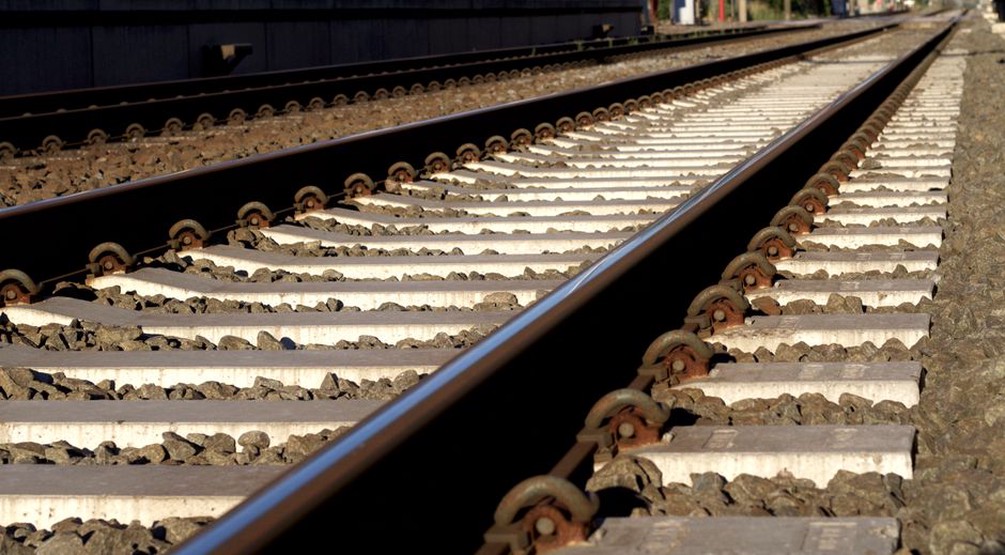
This data integration helps in understanding trends and making informed decisions about maintenance priorities. By using such data, rail operators can optimize operational schedules and minimize the impact of maintenance activities on train services.
Addressing Environmental and Seismic Challenges
Rail infrastructure faces increasing environmental and seismic risks. Innovative maintenance strategies now incorporate these factors, using seismic-resistant designs and materials that can withstand natural hazards. For insights into seismic impacts, refer to our article on the impact of dynamic transport loads on soil structures.
Adaptive maintenance strategies involve regular updates to infrastructure, ensuring it remains strong against evolving environmental challenges. This proactive approach is vital in regions susceptible to extreme weather conditions and seismic activity.
Conclusion: A Future-Oriented Approach
Embracing new approaches to rail track maintenance is essential to meet the increasing demands of modern rail transport. By adopting advanced technologies and materials, rail operators can greatly enhance the reliability and safety of their networks. These innovations not only improve operational efficiency but also prepare rail systems to withstand future challenges.