A new wearing course will not stop a road from settling while water continues to soften its foundation. The defect on the surface may be the repair target, evidence of a deeper failure, or both. Before specifying work, distinguish the asset’s condition from the process causing it to deteriorate.
That distinction matters across roads, railways, bridges and tunnels. Changed drainage, heavier traffic and repairs made with different materials can alter how loads and water move through an aging structure. Restoration proceeds through linked decisions: establish what remains safe, investigate the cause, compare interventions and check performance after reopening.
Start with the decision the investigation must support
An inspection report needs to support a decision, not just list defects. Can the asset remain in service, or does it need a load or speed restriction, targeted repair, or major renewal? The evidence required depends on that choice. Visible cracking may justify closer inspection, but it rarely provides enough information on its own to specify a structural repair.
Original drawings, modification records, inspection histories, drainage plans, traffic or axle-load histories, and accounts of flooding or ground movement can all help. None should be treated as equally reliable. An undocumented strengthening scheme or buried utility can make a drawing set look more complete than it is. Field checks should focus on uncertainties that could change the proposed intervention.
- Map the extent: Record defect locations against joints, supports, drainage outlets, embankment transitions and previous repairs.
- Measure change: Compare repeat observations where available. An active crack or settlement trend calls for a different response from a stable legacy defect.
- Test the suspected mechanism: Choose sampling, non-destructive testing, surveying or ground investigation to answer a defined question, rather than simply collecting more data.
- Identify immediate controls: Where capacity is uncertain, assess temporary restrictions, inspection frequency or closure while the investigation continues.
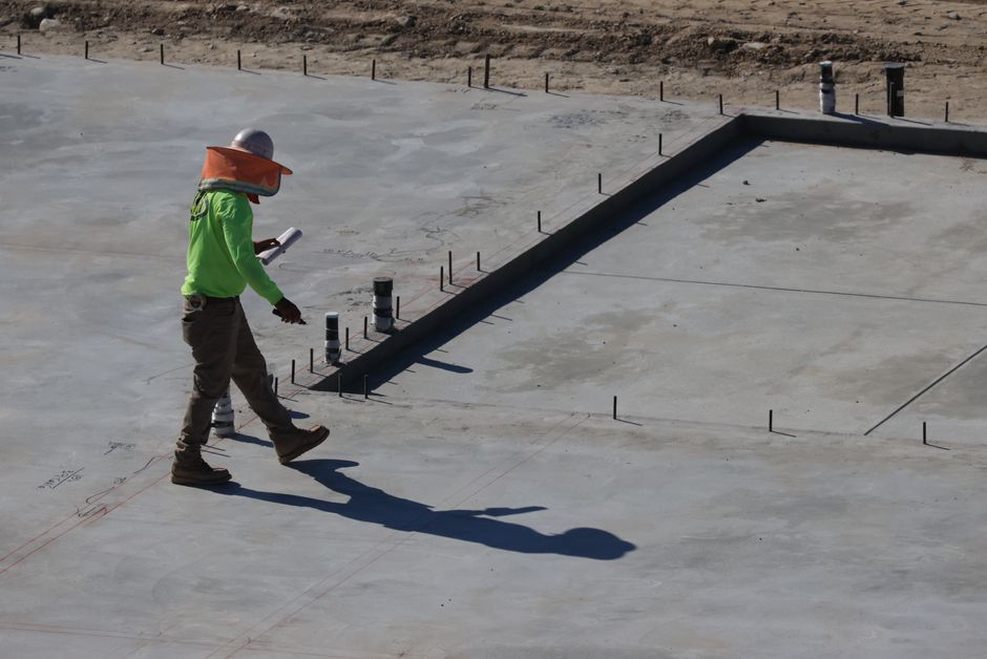
Repair the pathway, not just the damaged surface
Water and ground movement
Water is a frequent reason repairs fail early. Blocked culverts, leaking deck joints and inadequate tunnel drainage can expose materials or supporting ground to conditions the original design did not anticipate. Resurfacing a settling road embankment may improve ride quality for a while, but it can also hide continuing deformation. Investigation may need to separate compression of fill from erosion, weak founding soil or movement at a culvert interface.
Drainage work can shift the problem. Redirected flow may cause scour downstream or raise pore pressures elsewhere, so groundwater levels, outfall condition and seasonal behavior belong in the restoration assessment. Where movement cannot be eliminated economically, an intervention that can be monitored and maintained may be more useful than a surface fix that appears permanent.
Materials, connections and hidden deterioration
Concrete spalling can result from reinforcement corrosion, freeze–thaw damage or poor past patching; each calls for a different extent of investigation. On a steel bridge, coating loss is not the same as section loss, while corrosion at connections can have outsized consequences. Railway track geometry defects may point to ballast, drainage, formation behavior or support transitions. The investigation needs to reach beyond the visible defect far enough to establish sound repair boundaries.
Material compatibility matters too. A durable patch can still fail at its interface if its stiffness, moisture movement or thermal response differs markedly from the surrounding material. The principles in concrete durability, exposure and repair are relevant to both the repair boundary and the means of limiting further ingress.
Choose an intervention at the right scale
Options range from maintenance to replacement, but the largest intervention is not necessarily the most reliable. It may add construction risk, disrupt essential service or leave a bottleneck elsewhere in the network. Repeated small repairs, on the other hand, can become costly and unsafe if the underlying process is still active.
- Preserve: Clear drainage, renew protective systems and seal appropriate joints where structural capacity remains adequate and deterioration is limited.
- Repair: Replace damaged material or components when the cause is understood and the remaining structure can support a defined service life.
- Strengthen: Improve capacity where demand has changed, provided load paths, foundations and connections can accommodate the alteration.
- Renew or replace: Consider major intervention when defects are widespread, access for future maintenance is poor, or adaptation cannot meet operational needs.
Compare construction stages as carefully as the finished asset. Removing a deck layer, excavating beside an old foundation or taking one tunnel bore out of service may temporarily change structural behavior and emergency access. Temporary works, sequencing and inspection hold points need the same attention as the permanent repair.
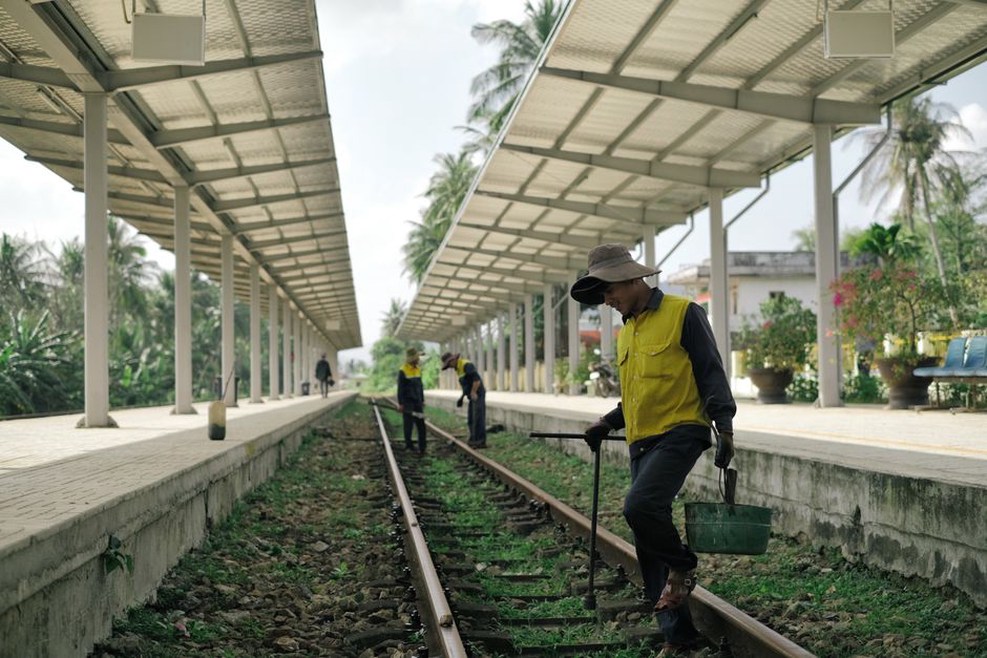
Prioritize across the network without losing site detail
Severity alone does not determine priority. An isolated component failure on a route with no practical diversion may have greater consequences than a larger defect on a route with alternatives. Network screening can consider observed condition, likelihood of further deterioration, hazard exposure, operational consequences and confidence in the evidence. Make uncertainty visible: an inaccessible bridge bearing should not quietly receive the same confidence rating as one inspected directly.
Assets also depend on their surroundings. A restored bridge may remain unusable in a flood if its approaches are repeatedly overtopped; renewed pavement will still deteriorate if upstream drainage is neglected. Coordinating adjacent works can avoid repeated closures and prevent one intervention from damaging another. When budgets force deferral, recording the remaining risks helps set inspection intervals and operational triggers. Postponement is not a neutral decision.
Verify the repair and plan its next inspection
Acceptance checks should address the performance claimed for the intervention. Depending on the work, the evidence may include material tests, survey levels, drainage flow checks, connection inspection or measured response under service loading. Readings taken after reopening provide a baseline for detecting later change; they do not prove that deterioration has stopped.
Monitoring needs a planned response. If a repaired embankment keeps settling, the asset team should have a documented threshold for renewed investigation or an operating restriction, along with a consistent measurement method and reference points. The handover record should say what was repaired, what remains in place and how the next inspector can reach the critical interface.