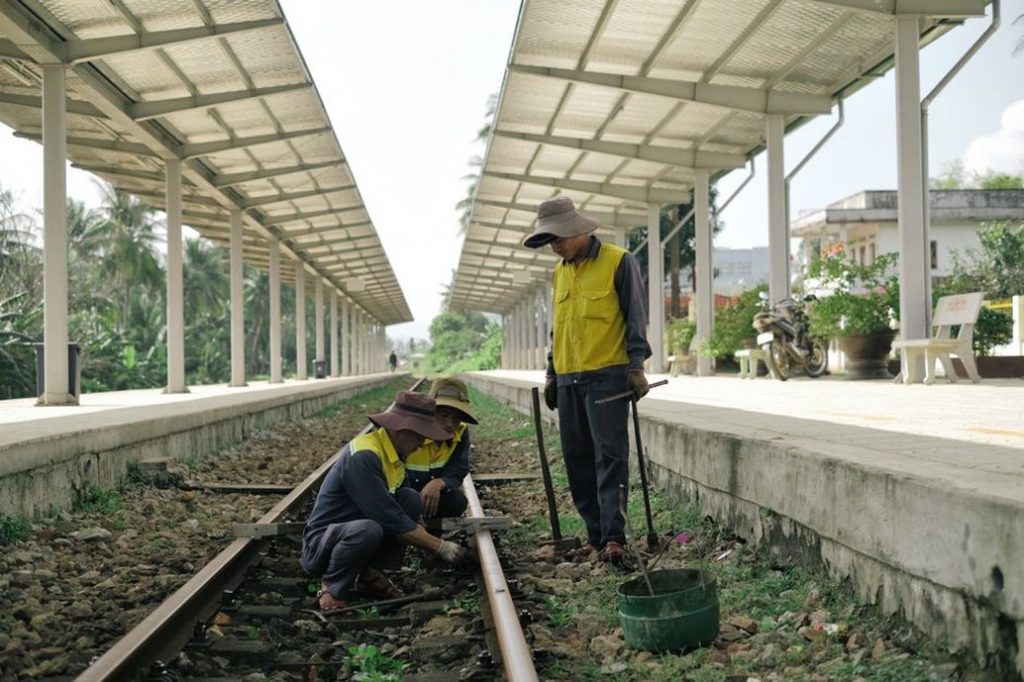
Railway track foundations are essential to the stability and safety of a railway system, silently supporting the heavy loads of trains while maintaining alignment. The engineering of these foundations requires a deep understanding of soil mechanics, material durability, and environmental influences. A well-constructed track foundation not only extends the lifespan of rail infrastructure but also enhances safety and performance.
Key Considerations in Track Foundation Design
Designing railway track foundations involves addressing several crucial factors to ensure they remain stable and efficient over time. These factors include soil type, load distribution, drainage, and natural risks such as seismic activity.
Soil Analysis and Preparation
Conducting a thorough soil analysis is a vital first step in track foundation design. Engineers must evaluate the soil's load-bearing capacity, compaction, and permeability. Poor soil conditions can lead to settlement and misalignment, resulting in expensive maintenance and repairs. Advanced geotechnical tools can facilitate a detailed analysis, ensuring the foundation is built on a solid base. For more on this, explore the role of advanced geotechnical tools in transport infrastructure.
Load Distribution and Ballast
Ballast, typically composed of crushed stone, is placed beneath the tracks to evenly distribute loads and provide stability. It also aids in drainage, reducing the risk of water accumulation that could weaken the foundation. Choosing the right type of ballast and maintaining its integrity through regular inspections are essential for optimal performance.
Drainage Systems
Effective drainage systems are crucial in preventing water from compromising the track foundation. Water accumulation can soften the soil and increase the risk of track deformation. Engineers often use a combination of surface and subsurface drainage systems to manage water flow efficiently. For additional insights on how water affects infrastructure, refer to how groundwater undermines pavement performance.
Natural and Environmental Challenges
Railway track foundations must withstand natural and environmental challenges, including seismic risks, soil erosion, and climate variations.
Seismic Considerations
In earthquake-prone regions, track foundations need to be designed to absorb and dissipate seismic energy. This often involves using flexible materials and innovative construction techniques to maintain the structural integrity of the tracks during seismic events.
For a deeper understanding of seismic impacts on infrastructure, the Wikipedia page on earthquake engineering provides comprehensive information.
Climate Impact
Climate change poses increasing risks to railway infrastructure, with extreme weather events becoming more frequent. Engineers must incorporate these changes into their designs, using materials and techniques that can withstand temperature fluctuations, heavy rainfall, and other climate-related challenges.
- Use of weather-resistant materials
- Implementation of advanced monitoring systems
- Adaptation strategies for climate resilience
For more on climate adaptation strategies, see our article on understanding climate impacts on rail infrastructure.
Innovative Practices and Materials
Technological and material science advancements have introduced innovative practices in constructing and maintaining railway track foundations. These include using geosynthetics for reinforcement, smart monitoring systems for predictive maintenance, and eco-friendly materials that reduce environmental impact.
Geosynthetics, in particular, have significantly impacted foundation engineering by improving load distribution, enhancing drainage, and providing additional stability. Their application in railway infrastructure is crucial for addressing both durability and environmental concerns.
Conclusion
Designing resilient railway track foundations requires a detailed approach that integrates soil mechanics, environmental considerations, and advanced materials. By adhering to best practices and utilizing new technologies, engineers can enhance the performance and safety of railway systems, effectively addressing challenges posed by both natural and human factors.